
By Tyler Drenon
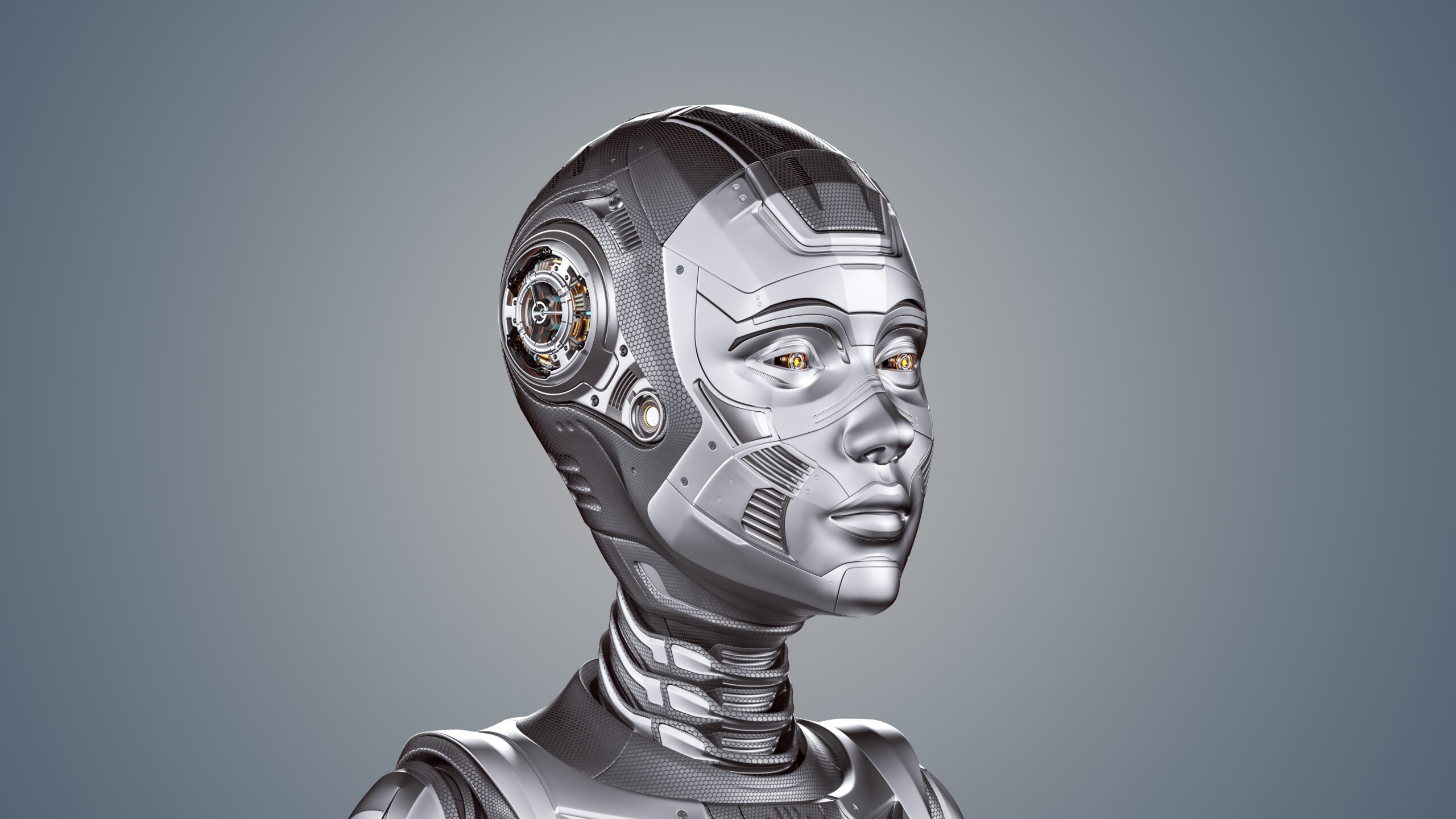
Hollywood likes clean endings. The hero beats the robots at the end, roll credits, humanity restored to its rightful pedestal. That’s fantasy.
In the real world, we don’t get the decisive finale. We get coexistence. Permanent, messy, negotiated coexistence. And pretending otherwise is … well, fantasy.
Robots aren’t a villain to defeat. At least, not of their own volition. The threat they pose to humans currently depends heavily on who is in control of them.
But more practically, robots are an economic and social force that’s already embedded in modern life. In many ways, they run warehouses, drive logistics, analyze radiology, write first-draft code, and will soon pilot vehicles more safely than any human who’s ever been distracted by a buzzing phone. You don’t “kill” that. You adapt to it … or you get steamrolled by it.
The uncomfortable truth is this: robots are becoming infrastructure. You don’t fight your plumbing. You don’t fight the electrical grid. You don’t fight the internet. You shape it, regulate it when necessary, and design around its constraints. The same can be true here.
And yes, there will be friction. Humans aren’t great at sharing space with systems that outperform them. That’s not a moral problem; it’s an ego problem. When machines exceed our capabilities, the work we do must become more human. That transition will expose weaknesses like talent gaps, educational decline, sectors that survived on inertia, workers who built identities around tasks that won’t exist in a decade. The robots aren’t taking their jobs; the future is.
For the complete article, Subscribe to the UniteNews Magazine. 25$ for one year.