
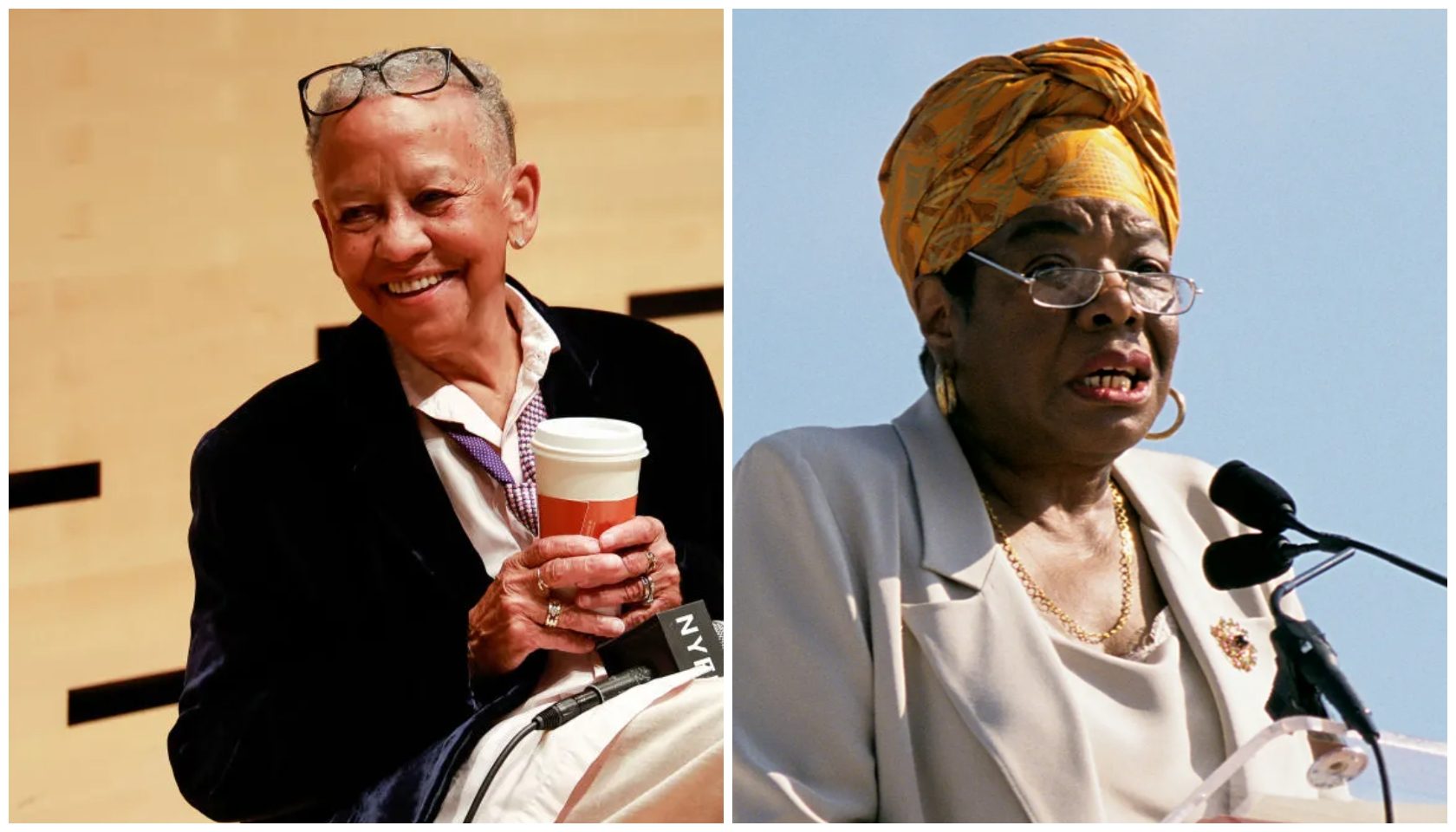
Black poets have profoundly shaped literature across generations, using poetry to document history, celebrate culture, and challenge injustice. From the Harlem Renaissance to today’s spoken word and page poets, these writers have created timeless work that continues to resonate. In honor of National Poetry Month, here are 25 essential Black poets, along with some of their most popular poems, what those poems are about, and what makes each voice unforgettable.
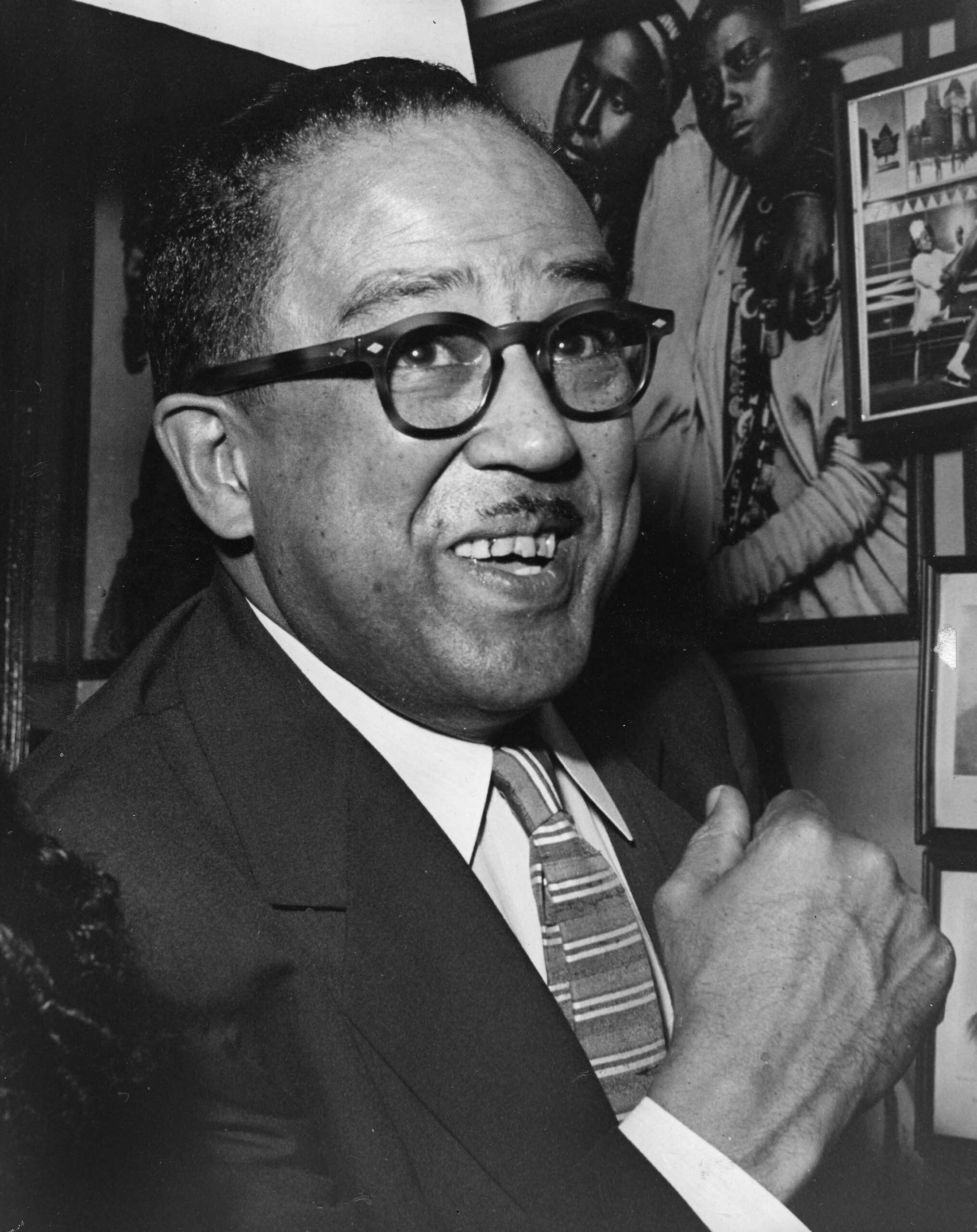
1. Langston Hughes
Langston Hughes was a defining voice of the Harlem Renaissance, capturing everyday Black life with musicality, clarity, and pride. His poem “The Negro Speaks of Rivers” traces the depth of Black history through ancient rivers, connecting identity to a long, enduring past. “Harlem (Dream Deferred)” asks what happens when dreams are postponed, using vivid imagery to show frustration and resilience. At the same time, “I, Too” is a powerful declaration of belonging and equality in America. Hughes, who passed away in 1967, was truly ahead of his time.
2. Maya Angelou
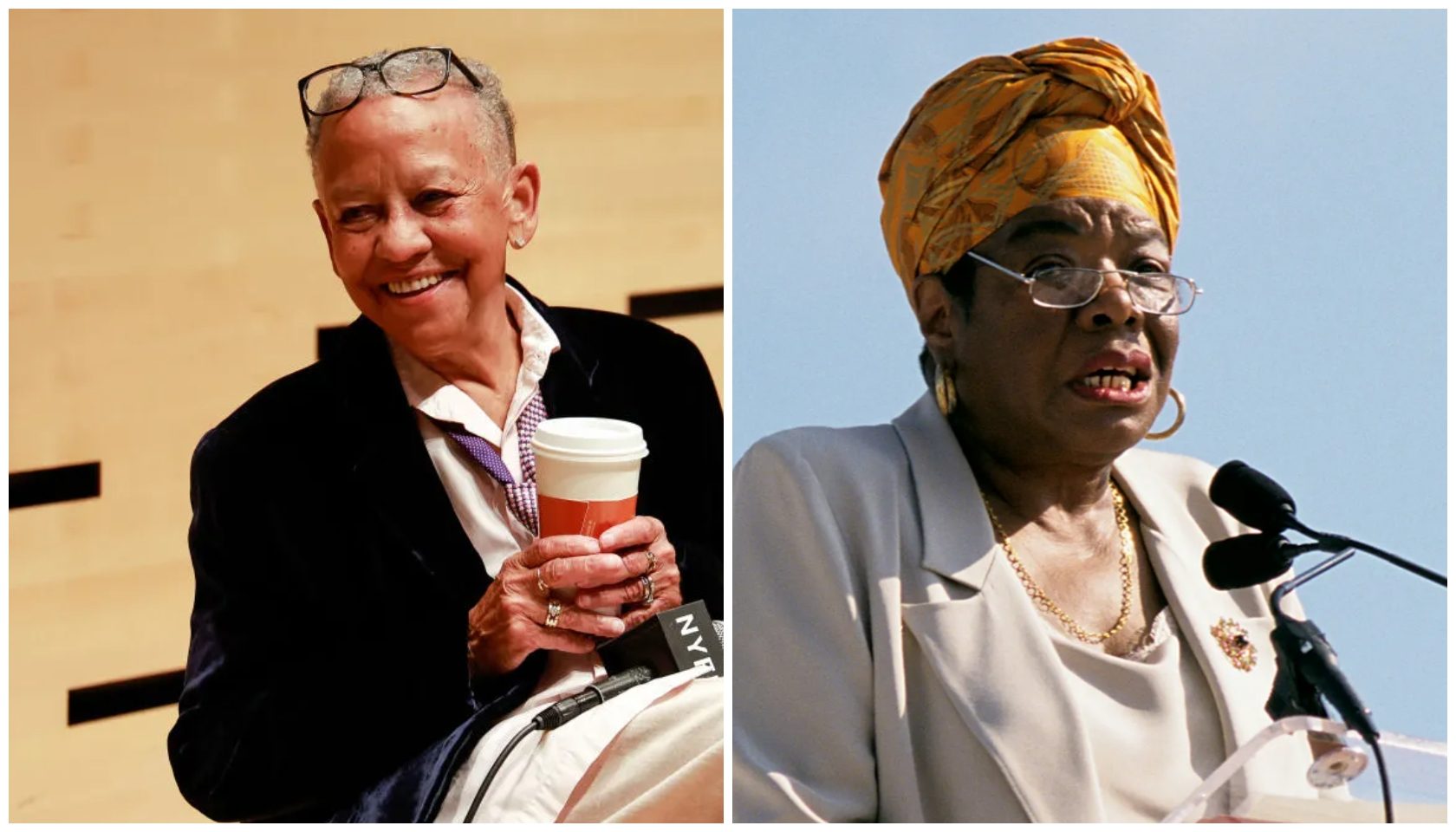
Maya Angelou’s poetry radiates strength, resilience, and self-worth, often rooted in her lived experiences. “Still I Rise” is an anthem of empowerment, pushing back against oppression with confidence and grace. “Phenomenal Woman” celebrates self-love and the power of presence, while “Caged Bird” uses the metaphor of a trapped bird to explore freedom, racism, and the longing for liberation. Angelou passed away in 2014, but her work lives on forever. In the words of the legendary poet, “A great soul never dies.”
3. Gwendolyn Brooks
Gwendolyn Brooks, who passed away in 2000, was the first Black Pulitzer Prize winner and was known for her vivid portrayals of urban Black life. In “We Real Cool,” she captures the voice of rebellious youth and the consequences of their choices in just a few lines. “The Mother” explores the emotional complexity of abortion with honesty and empathy, while “Kitchenette Building” reflects on dreams deferred by poverty and cramped living conditions.
4. James Baldwin
James Baldwin’s poetic voice was deeply lyrical and emotionally charged, even though he is best known for his prose. “Staggerlee Wonders” reimagines a folk figure to explore violence and identity, while “Jimmy’s Blues” blends music and poetry to express loneliness, love, and the search for meaning in a harsh world. Baldwin, who passed away in 1987, was legendary.
5. Audre Lorde
The late great Audre Lorde, a self-described “warrior poet,” used poetry as activism. “Power” confronts racial injustice and the justice system’s failures, while A Litany for Survival speaks directly to marginalized people about fear and the necessity of speaking out. Coal reflects on identity, transformation, and the beauty forged under pressure.
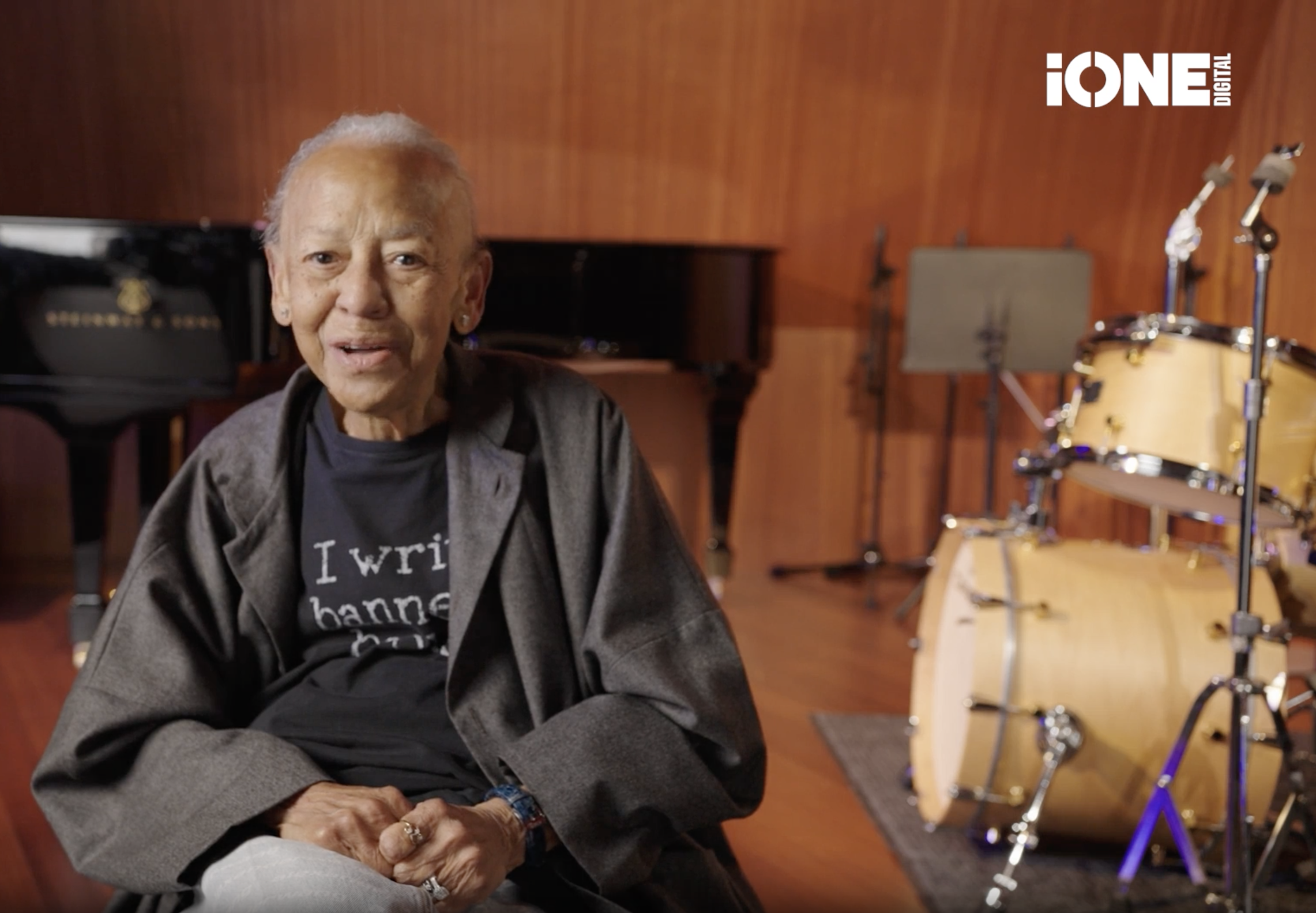
6. Nikki Giovanni
The late Nikki Giovanni, who passed away in 2024, blended activism with personal reflection, often focusing on love, family, and Black identity. “Ego Tripping” is a bold, imaginative celebration of Black greatness and history, while “Nikki-Rosa” challenges outsiders’ perceptions of Black childhood. “Knoxville, Tennessee” offers a warm, nostalgic look at family, food, and simple joys.
7. Amiri Baraka
Amiri Baraka was a leading voice in the Black Arts Movement, known for his confrontational style. “Black Art” calls for revolutionary, unapologetically political poetry, while Somebody Blew Up America questions power, history, and systemic violence in a provocative and controversial way.
8. Rita Dove
Rita Dove, a former U.S. Poet Laureate, is known for elegant, historically rich poetry. “Daystar” explores a mother’s quiet longing for solitude and identity beyond domestic life, while “Parsley” recounts a historical massacre in the Dominican Republic, showing how language can become deadly. “Sonnet in Primary Colors” reimagines an artist’s life with vivid imagery.
9. Claude McKay
Claude McKay, a key Harlem Renaissance figure, combined traditional forms with radical ideas. “If We Must Die” is a powerful call to resist oppression with dignity, while “America” reflects a complicated relationship with a country that both harms and shapes identity. “The Lynching” confronts racial violence and its normalization.
10. Paul Laurence Dunbar
Paul Laurence Dunbar was one of the first influential Black poets in American literature. His iconic piece, “We Wear the Mask,” explored the idea of hiding pain behind a façade, while “Sympathy,” which inspired the title of Maya Angelou’s memoir I Know Why the Caged Bird Sings, uses the image of a trapped bird to express longing for freedom. His poem “Life” reflects on hardship with both realism and hope. Dunbar passed away in 1906.
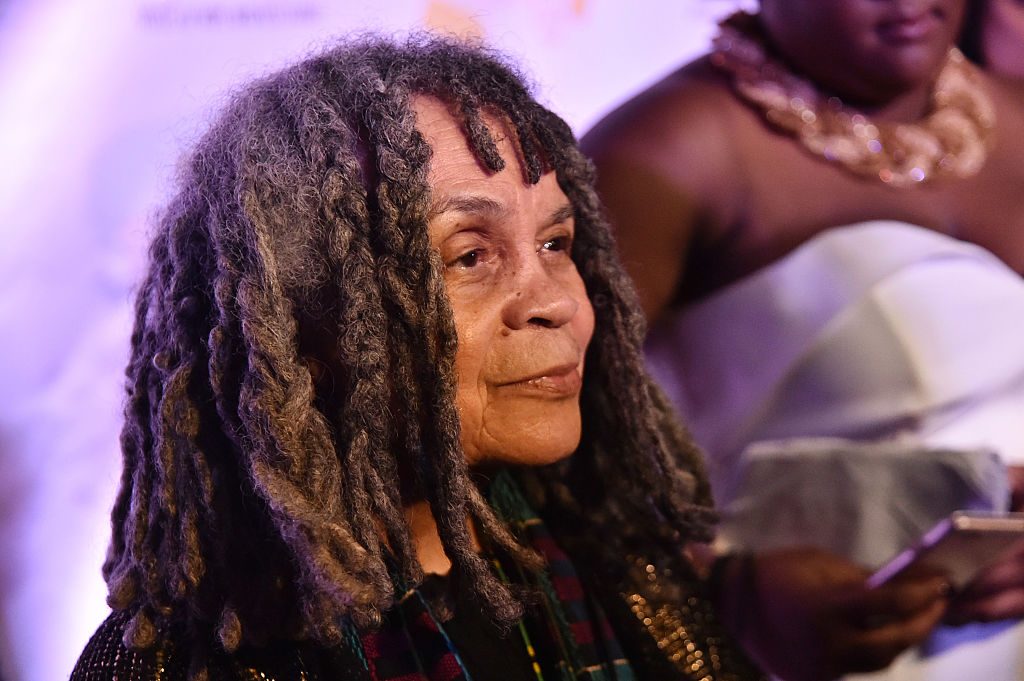
11. Sonia Sanchez
Sonia Sanchez is known for her experimental musical style rooted in Black culture and political struggle. “Catch the Fire” encourages cultural pride and resistance, while Homegirls & Handgrenades blends personal and political themes. “Poem at Thirty” reflects on growth, identity, and self-awareness.
12. Natasha Trethewey
Natasha Trethewey’s work explores history, memory, and race, often focusing on the American South. “Native Guard” highlights Black Civil War soldiers whose stories were overlooked, while “Elegy for the Native Guards” mourns forgotten histories. “Graveyard Blues” reflects on loss and mourning with emotional depth.
13. Terrance Hayes
Terrance Hayes is known for inventive forms and bold themes. “The Golden Shovel” pays homage to Gwendolyn Brooks while addressing contemporary issues, while “American Sonnet for My Past and Future Assassin” explores race, fear, and identity in modern America.
14. Tracy K. Smith
Tracy K. Smith’s poetry bridges the personal and the cosmic. “Life on Mars” reflects on loss and the vastness of the universe, while “The Good Life” examines inequality and privilege. “Sci-Fi” uses speculative imagery to explore human history and possibility.
15. Warsan Shire
Somali-British poet, Warsan Shire, focuses on migration, womanhood, and trauma. “Home” powerfully explains the refugee experience and why people flee their countries, while “For Women Who Are Difficult to Love” explores complex relationships and identity. “Ugly” addresses beauty standards and self-worth.
16. Danez Smith
Danez Smith blends spoken word energy with literary craft. “Dear White America” imagines a future without Black people to confront systemic racism, while “Summer, Somewhere” envisions an afterlife free from violence. “Dinosaurs in the Hood” critiques media stereotypes and calls for better representation.
17. Jericho Brown
Jericho Brown, a Pulitzer Prize winner, explores love, trauma, and identity. The Tradition contrasts beauty in nature with violence against Black bodies, while “Duplex” experiments with poetic form to express emotional cycles. “Bullet Points” addresses police violence and survival.
18. Claudia Rankine
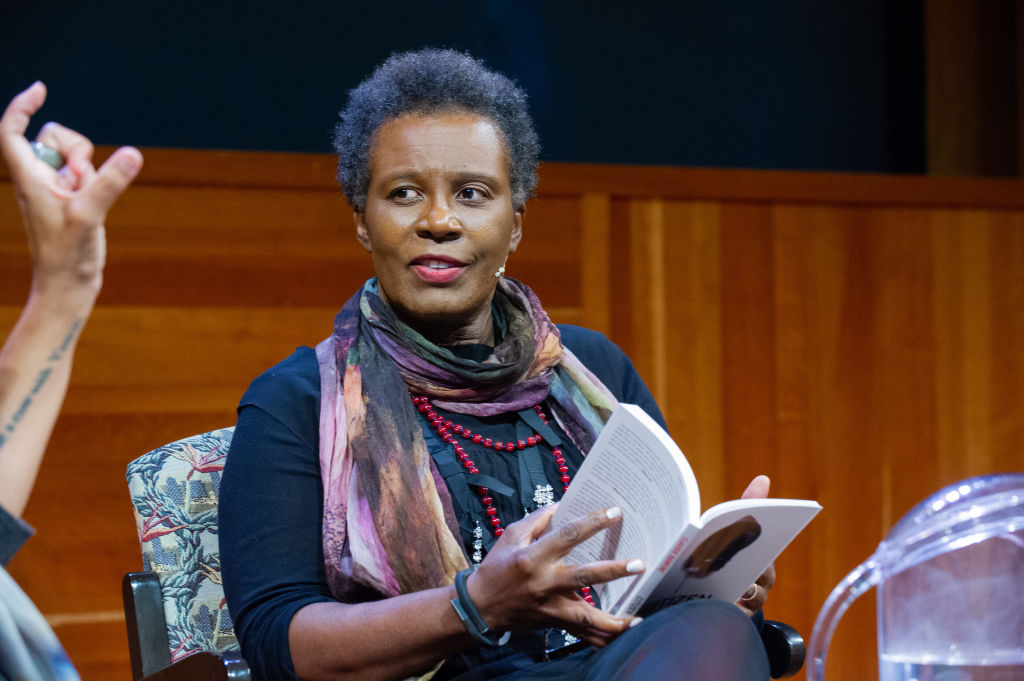
Claudia Rankine blends poetry with essay and visual art. Citizen examines everyday racism and microaggressions, while Don’t Let Me Be Lonely reflects on isolation, media, and social disconnection in modern life.
19. Kevin Young
Kevin Young often draws on music, history, and memory. “Ode to Pork” uses food as a lens for culture and identity, while “Bereavement” explores grief. “Satchmo” celebrates Louis Armstrong and the influence of jazz.
20. Lucille Clifton
Lucille Clifton’s concise poems carry immense emotional power. “won’t you celebrate with me” reflects on survival and self-creation, while “homage to my hips” celebrates body confidence and freedom. blessing the boats speaks to perseverance through life’s uncertainties.
21. Phillis Wheatley
Phillis Wheatley, the first published African American poet, wrote while enslaved in the 18th century. “On Being Brought from Africa to America” reflects on her forced displacement and conversion while subtly critiquing racism and religious hypocrisy. “To His Excellency, General Washington” is a patriotic poem that also demonstrates her literary skill and historical significance.
22. Yusef Komunyakaa
Yusef Komunyakaa often reflects on his experiences in the Vietnam War. “Facing It” describes a visit to the Vietnam Veterans Memorial, blending memory and grief, while “Camouflaging the Chimera” captures the surreal and tense realities of war. “Tu Do Street” explores race and division among soldiers abroad.
23. Elizabeth Alexander
Elizabeth Alexander examines culture, race, and identity. “Praise Song for the Day,” written for a presidential inauguration, celebrates collective progress and hope, while “Ars Poetica #100” reflects on the purpose and power of poetry itself.
24. Toi Derricotte
Toi Derricotte explores trauma, healing, and racial identity. “The Telly Cycle” examines how media shapes our understanding of violence, while “Blackbottom” reflects on childhood and race. “Tender” captures vulnerability and emotional honesty.
25. Amanda Gorman
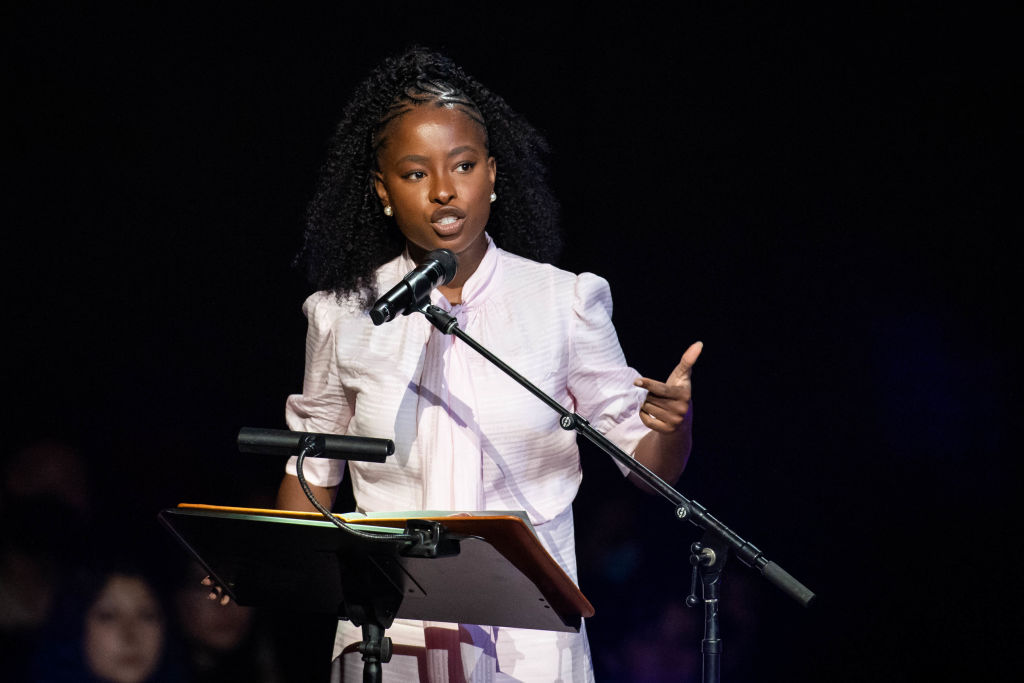
Amanda Gorman, a contemporary literary voice, focuses on hope, democracy, and youth empowerment. “The Hill We Climb” calls for unity and resilience in divided times, while “Earthrise” addresses climate change and responsibility. “In This Place (An American Lyric)” celebrates diversity and the idea of shared belonging.
These Black poets represent more than literary excellence; they are cultural voices that have shaped history and continue to influence the present. Their work speaks to resilience, identity, resistance, love, and hope. Whether you’re just beginning your poetry journey or expanding your reading list, these poets offer something meaningful for everyone. Take your time with their words throughout National Poetry Month; there’s always something new to discover.
Start reading, and let their voices stay with you long after the last line.
SEE MORE:
Who Is Patricia Smith? The Award-Winning Poet Redefining American Literature