
By Samuel Knox, UniteNews Staff
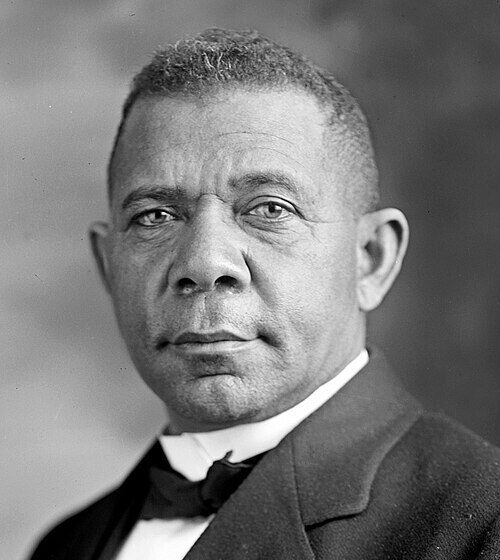
Booker Taliaferro Washington was born on April 5, 1856, in Hale’s Ford,
Virginia, into a world defined by slavery. His early life began in bondage, but freedom came when Union troops reached the area near the end of the Civil War. Like many newly freed Black families, Washington’s childhood was marked by hardship, long hours of labor, and limited access to formal schooling. Still, from an early age, he carried a deep hunger to learn and a belief that education could unlock a different future.
As a young man, Washington worked his way through Hampton Normal and Agricultural Institute (now Hampton University), often holding multiple jobs just to stay enrolled. At Hampton, he absorbed a philosophy that would shape his life’s work: education should be practical, character-building, and closely tied to the needs of everyday people. He later attended Wayland Seminary, further strengthening his preparation as a teacher and leader.
In 1881, at just 25 years old, Washington was chosen to lead a brand-new school for Black students in Alabama— Tuskegee Institute. What began as a small operation in borrowed space soon grew into one of the most important educational institutions in Black America. Washington believed students should help build the school literally and figuratively. Under his leadership, students made bricks, constructed buildings, farmed the land, and learned trades alongside academic subjects. He saw dignity in work and viewed hands- on training as a path to independence, stability, and pride.
Washington’s influence expanded far beyond the Tuskegee campus. In 1895, he delivered what became known as the Atlanta Address, a speech that brought him national attention. Speaking to a largely white audience, he urged cooperation between Black and white Southerners and emphasized education, job skills, and economic progress as the most reliable route to advancement for African Americans. The speech made him one of the most recognized Black leaders in the country and placed him at the center of conversations about race, progress, and the future of the South.
At the heart of Washington’s philosophy was a strong belief in economic self-sufficiency. He argued that owning businesses, building wealth, and developing professional skills were essential steps toward true freedom and respect. To support this vision, he founded the National Negro Business League in 1900 in Boston. The organization brought together Black entrepreneurs, farmers, doctors, lawyers, craftsmen, and other professionals who shared a commitment to strengthening Black-owned businesses.
The league quickly grew, forming hundreds of chapters across the country and maintaining business directories in major cities. It became a powerful networking space where African Ameri- cans could exchange ideas, find support, and build partnerships.
For the complete article, Subscribe to the UniteNews Magazine. 25$ for one year.