
Earlier this month, a young woman traveled from Florida with her family to Washington, D.C., to celebrate her birthday by finally visiting the National Museum of African American History and Culture, something she’d wanted to do for nearly a decade. When she arrived, she learned her visit had come with another reason to celebrate—she was the museum’s 14 millionth visitor.
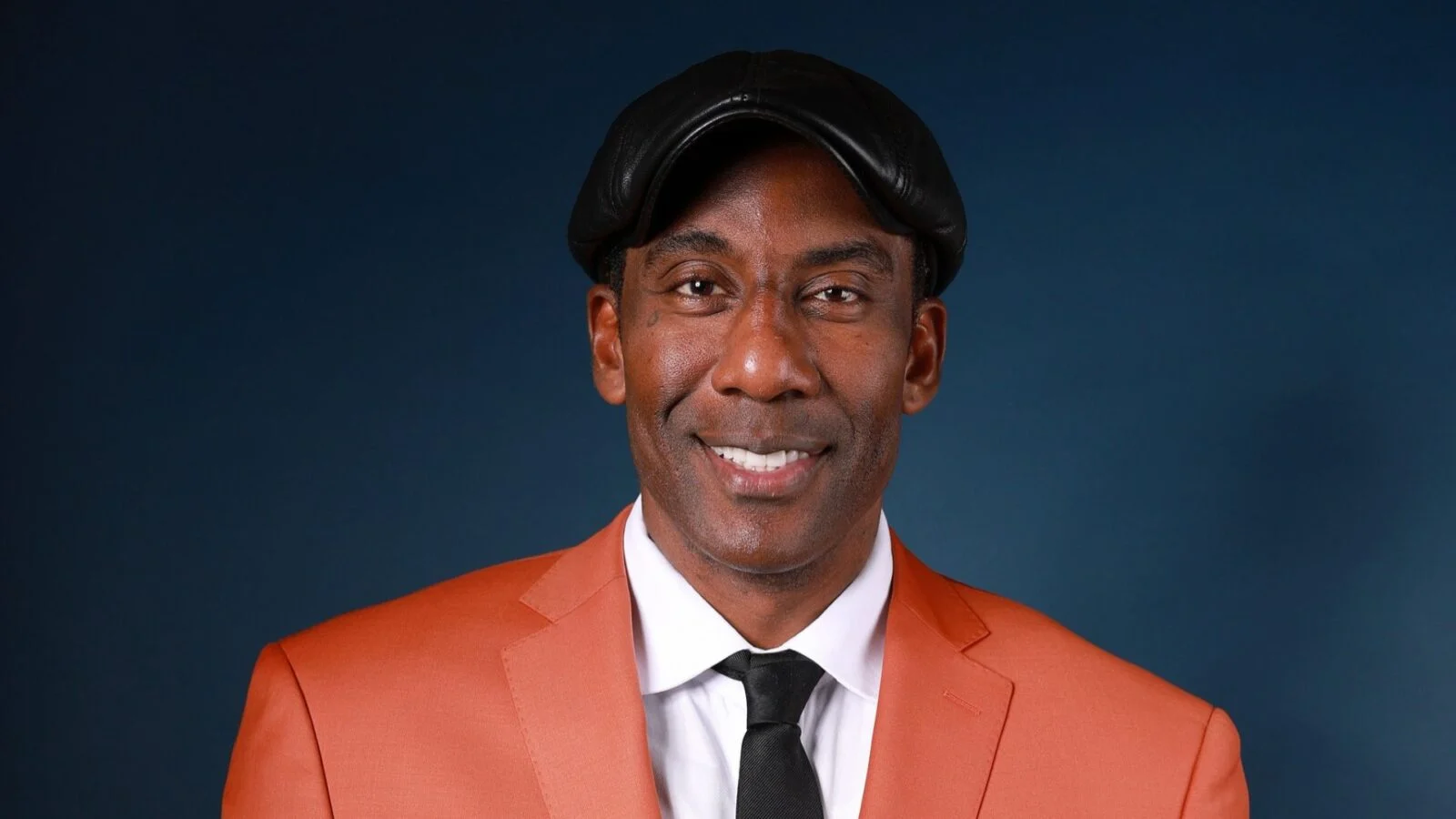
“There was a lot of celebration of her, gift giving, and picture taking, and she was just thrilled,” Michelle Commander, deputy director of the museum, told theGrio by phone on Thursday. “We were all basically in tears just seeing her reaction to that moment.”
For Commander, the joyous moment was a real-time example of just what the museum, affectionately called the “Blacksonian,” has come to mean in its first decade.
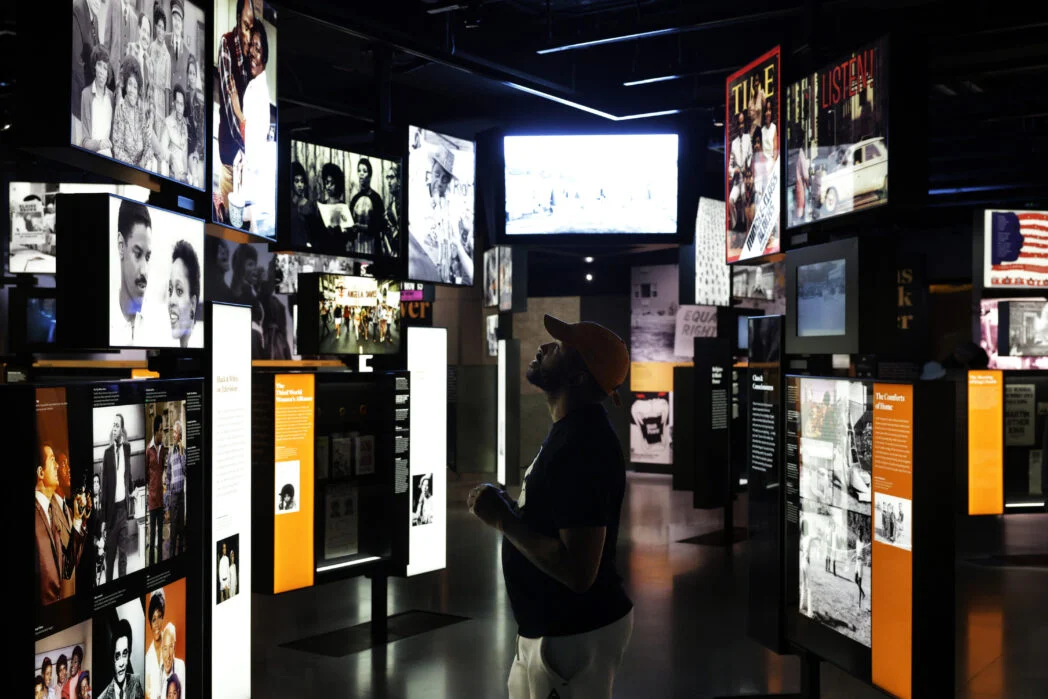
“For a lot of people, it feels like a pilgrimage, it feels like a home,” she continued.
On Thursday, Sept. 24, NMAAHC officially turned 10. Since opening its doors on the National Mall in 2016, the museum has welcomed roughly 14 million visitors from around the world, developing an immense cultural footprint.
“We’ve really increased our external engagement,” gushed Commander, who first visited the museum just weeks after it opened before joining its staff in 2023. “What I really have just been awed about is the enthusiasm that I’ve seen from communities all over the world for the work that we do.”
Over the last decade, the museum has expanded its permanent collection to more than 45,000 objects, while its digital Searchable Museum has drawn more than 65 million visits, and its social media channels have generated 897 million impressions. Along the way, NMAAHC has also become a gathering place for major cultural moments, from music festivals on the National Mall to film premieres, including Netflix’s “Descendant,” and has earned more than 100 national and international awards.
The museum is marking its 10th anniversary with “The Reunion,” a four-day celebration under the fitting theme “Welcome Home: Our Legacy Continues.” Arriving at this milestone anniversary at a particularly fraught time for the telling and preservation of Black history, the theme not only speaks to what the museum has become for millions of visitors, but also to what it has managed to maintain as the conversation around Black history has shifted outside its doors.
“We know that we can’t change anything that may be going on outside, but we know that we are true to our mission,” the museum official noted. “We tell the truth of African American history and culture.”
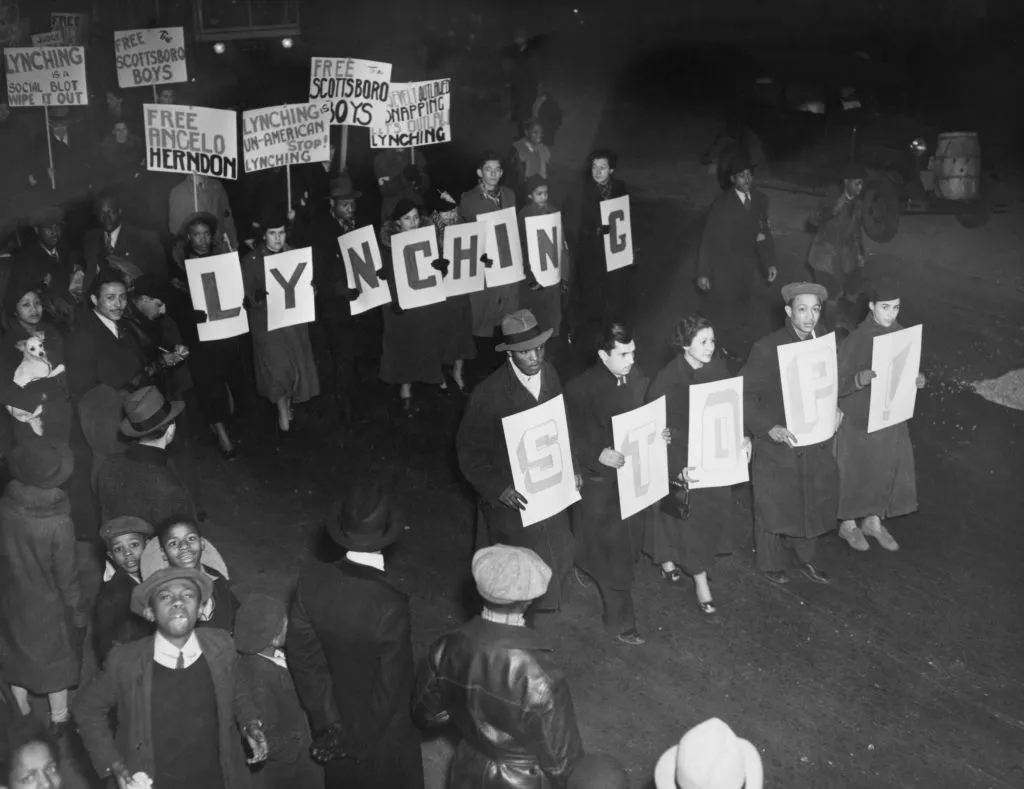
And there has been plenty going on outside. Over the last year, the Trump administration has scrutinized how American history is presented throughout the Smithsonian, including NMAAHC, which was among eight museums initially subjected to a review of exhibitions, educational materials, and other public-facing content.
It has also been a period of change for the museum itself. Kevin Young, who succeeded founding director Lonnie Bunch III in 2021, went on personal leave in March 2025 before stepping down the following month. Meanwhile, Bunch, who went on to become the Smithsonian’s first Black secretary in 2019, has spent much of the last year pushing back against the Trump administration’s attempts to influence how the institution presents American history. Earlier this month, he announced plans to retire at the end of the year after nearly four decades with the Smithsonian, though he has said the pressure from the administration did not play a role in his decision.
Even with so much happening around it, Commander said the museum has remained steadfast on its mission.
“I think for us and for our staff, it’s just been that core mission, that North Star, and that has just kept us together and producing amazing work,” she added.
Some of that work is now reaching audiences thousands of miles away. “In Slavery’s Wake: Making Black Freedom in the World,” which debuted at NMAAHC, is currently on view in Cape Town, South Africa, after a stop in Rio de Janeiro. The international exhibition will next travel to Dakar, Senegal, in January 2027 and Liverpool in January 2028.
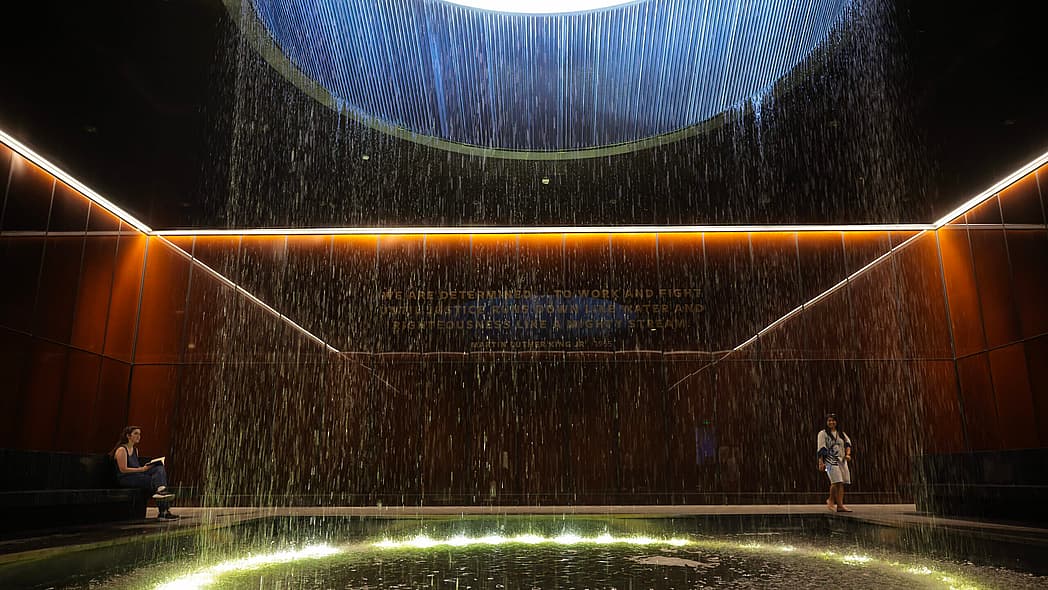
Back in Washington, the anniversary celebration, which was well underway when theGrio caught up with Commander, has included the opening of two new art exhibitions, “Revelation: A Journey into Abstraction,” which explores how Black artists have for generations used abstract art as a vital tool for self-expression, and “Reset: Abstraction Embodied in Design,” a companion showcase showcasing abstract design. Both of which Commander urged the public to see.
The big celebration weekend will include plenty of family programming, a conversation between Smithsonian Secretary and NMAAHC founding director Lonnie Bunch III and CNN’s Laura Coates, the “Purple Ball: Echoes of the Pearl” at The Wharf, which guests are invited to wear shades of purple to help honor the 77 freedom seekers who boarded the schooner Pearl from that very waterfront in 1848, and Sunday’s free “Violet Vibes” celebration also at The Wharf, which the deputy director confirmed will feature a rare performance from The Roots.
And after a decade of welcoming millions of people through its doors, it makes sense that the museum is celebrating this milestone with them, too. Commander said the anniversary has brought a sense of gratitude among the people who have visited, supported the museum, and embraced the stories it contains.
“We want to take this moment to certainly commemorate, celebrate this museum, the storytelling, and do that with the people who you know help to make us successful, and that is the American people,” she expressed.
Over the last 10 years, those people have come from across the country and around the world, bringing their own histories and experiences with them. Commander said she has watched people from all backgrounds move through the museum and find something familiar in stories rooted deeply in Black life. And perhaps that has something to do with how a museum dedicated to telling the African American story has come to feel like home to so many.
“If you’ve ever loved someone, if you’ve ever struggled for something individually and felt that yearning for something to be better in your life, you can find yourself here,” Commander noted. “This is a human story that we’re telling. It’s an American story, but I do think that anyone could find themselves in our museum.”