
By UniteNews Staff
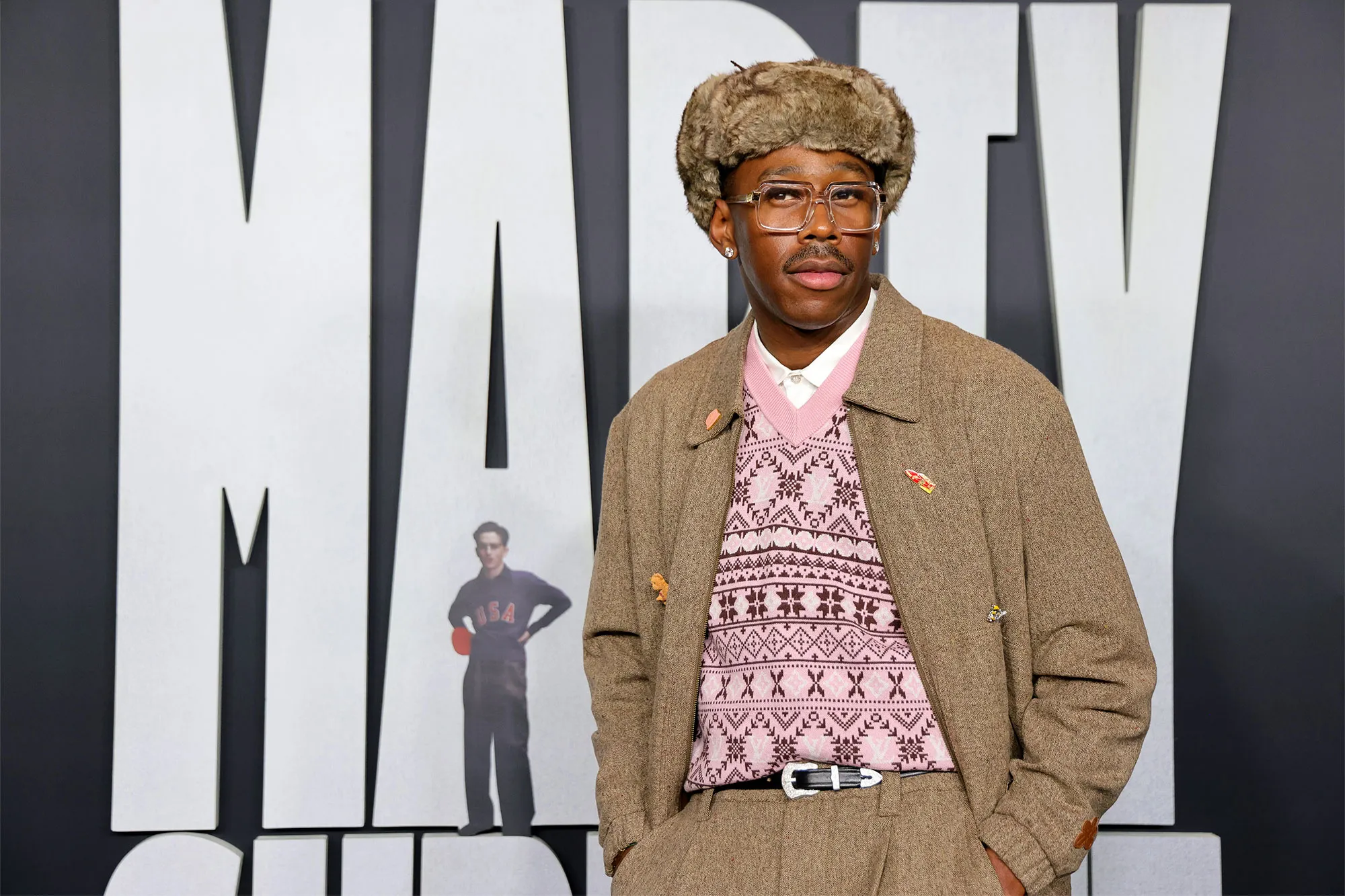
The modern cell phone did not appear in a single eureka moment; it emerged from decades of experiments in power, physics, and digital networks shaped by brilliant minds like Jesse Russell, Henry Sampson, and Dr. Shirley Ann Jackson. Their stories show how Black innovatorshelped build the invisible infrastructurethat now connects the world.
Powering the Possibility
In the 1960s and 70s, nuclear engineer Henry T. Sampson was asking aradical question: how could energy fromintense radiation be captured and turnedinto useful power? Working with his advisor George H. Miley, he helped develop the gamma-electric cell, patented in 1971, a device that converted high-energy gamma rays into electricity while also acting as a self-powered radiation detector. Though designed for nuclear reactor and space systems, Sampson’s work pushed engineers to think differently about compact, efficient power and sensing in extreme environments. That mindset of extracting reliable energy and information from harsh conditions would later echo in the design of satellites, long-range communication links, and the high-reliability systems that mobile networks rely on today.
Building the Telecommunication Backbone
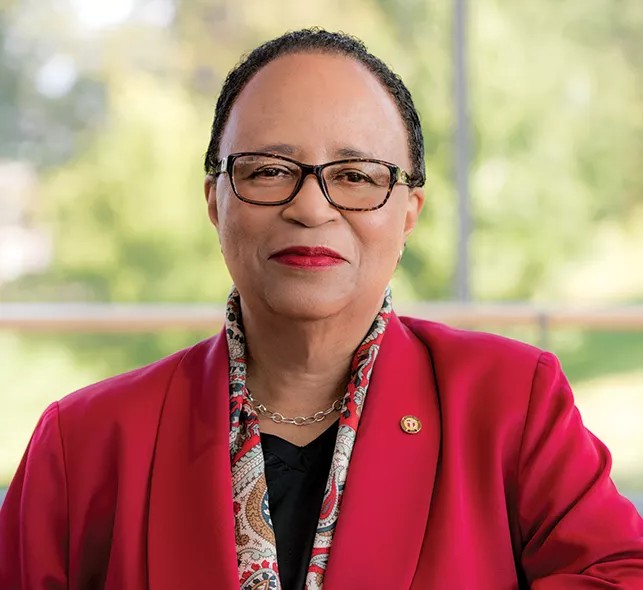
A few years later, physicist Shirley Ann Jackson joined the Theoretical Physics Research Department at AT&T Bell Labs in 1976, immersing herself in solid-state and optical physics. Her research on materials and quantum behavior un- derpinned breakthroughs that enabled touch-tone telephones, fax machines, caller ID, and call waiting-features that transformed phone calls from simple voice connections into information-rich interactions. Dr. Jackson’s explorations in optical physics helped pave the way for fiber-optic cables that now carry enormous streams of data underneath cities and oceans. Those high-capacity fibers form the global backbone that lets a single cell phone call or video chat pass seamlessly through vast networks in fractions of a second.
Turning Mobility into Reality
By the 1980s, electrical engineerJesse Russell was at Bell Labs, focusingon a challenge that would finally setphones free from cords: how to makecellular networks digital. In 1988, he leda Bell Labs team that introduced the firstdigital cellular technology in the UnitedStates, moving wireless communicationbeyond noisy analog signals to clearer,more efficient digital transmission.Russell’s patents, including a 1992 patent for a digital cellular base station, defined how towers talk to mobile phones, manage calls, and juggle many users at once. His architectures for base stations and mobile devices became foundational for 2G and later generations, enabling the mass adoption of pocket-sized phones around the globe.
For the complete article, Subscribe to the UniteNews Magazine. 25$ for one year.