
November 2, 2026
Christelle Mombo-Zigah and Dr. Isi Idemudia are using artificial intelligence to close representation gaps in beauty technology.
Two Black women entrepreneurs are turning a longstanding problem in artificial intelligence into a business opportunity in the beauty industry.
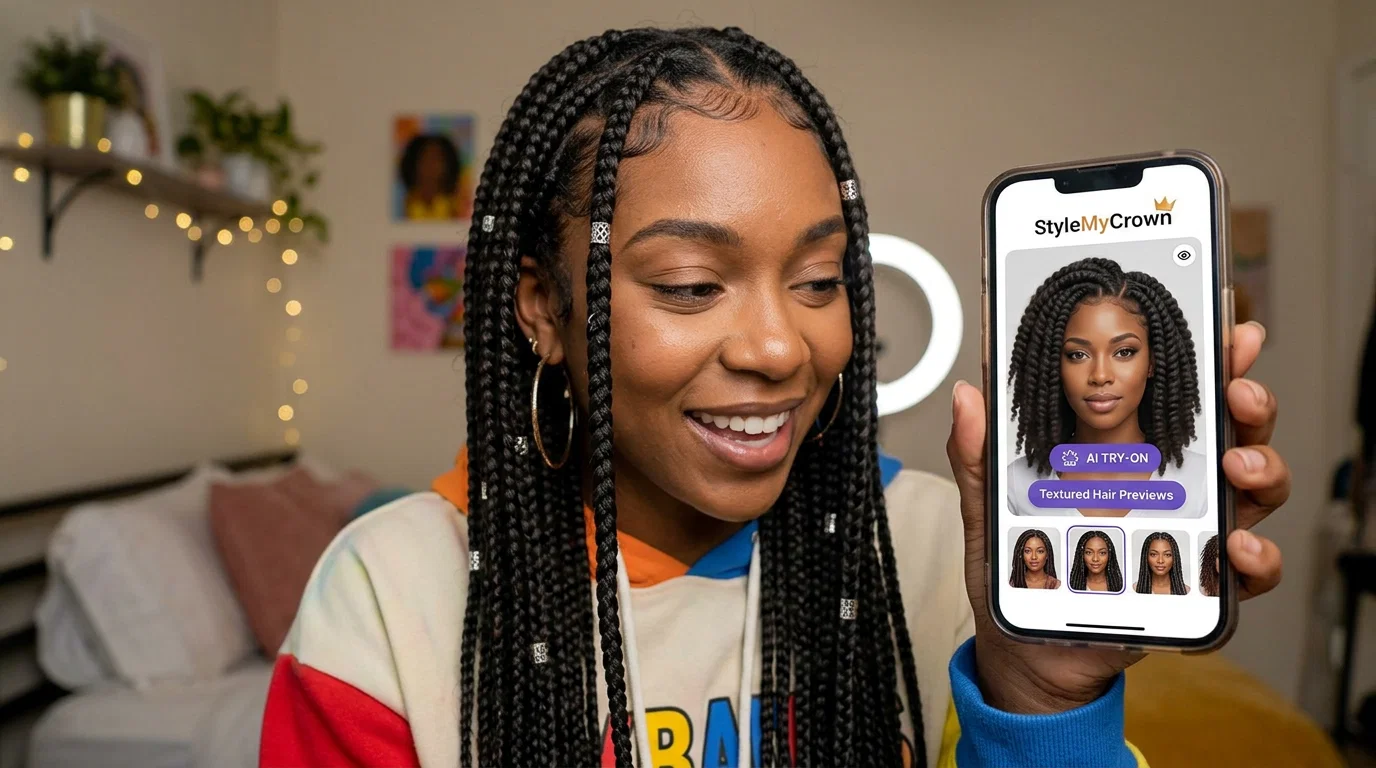
Christelle Mombo-Zigah and Dr. Isi Idemudia, co-founders of FairScan AI, launched StyleMyCrown, an AI-powered platform designed to give consumers with textured hair more realistic hairstyle previews while creating new opportunities for Black-owned beauty brands and hairstylists.
Mombo-Zigah, who works in global strategy and planning for Cisco’s cloud AI infrastructure business, began exploring AI bias after taking machine learning courses in 2020. Her experience led her to identify diversity problems in the data used to train AI technologies and advocate for more inclusive development practices.
“I actually identified pretty big ones around the lack of diversity in the data that we are used to train some of our technologies,” Mombo-Zigah told AFROTECH.
That year, she launched Digital Colorism, an AI-focused project examining representations of the Black community in digital spaces. She later connected with Idemudia, who brought experience in AI governance and bias reduction. The two initially developed FairScan AI with a healthcare focus before pivoting into beauty technology. StyleMyCrown later became one of the company’s products, built around identity preservation and realistic representations of textured hair.
“We really centered our platform around where we were seeing the biggest gap in the market, which was Black and textured hair,” Mombo-Zigah said.
The platform features a catalog of 500 hairstyles and color combinations, primarily serving consumers with hair textures ranging from 3A to 4C. Users can preview looks based on their facial features and skin tone, receive product recommendations, and discover nearby hairstylists. StyleMyCrown is free for consumers, while brands and stylists pay to be featured. The company also earns affiliate commissions when users purchase products through links that direct them to brand websites. At launch, the platform attracted visitors from 50 countries and had onboarded between 15 and 20 brands, with an emphasis on Black-owned businesses.
“We do believe in group economics. We do believe that we can be sustainable among us,” Mombo-Zigah said.
The business model also taps into the purchasing power of Black beauty consumers. According to NielsenIQ, Black consumer spending on beauty products reached $16.2 billion over the past year, representing 9% growth. The research also found that nearly half of beauty spending among Black households now takes place online.
StyleMyCrown is positioning itself to benefit from that shift by connecting consumers directly with businesses that understand their hair care needs. The company’s approach also reflects a growing opportunity for technology companies to build products around underserved audiences rather than attempting to retrofit existing platforms.
Data privacy is another component of its business strategy. The company’s website states that customer photos will not be sold or retained to train AI models. In the original AFROTECH interview, Mombo-Zigah explained that uploaded images are processed using third-party AI technologies, including OpenAI and Google Gemini, while Base44 was used to build the platform.
The founders are also pursuing a business model that prioritizes community investment. Although the platform currently favors Black-owned beauty brands, Mombo-Zigah said other businesses could eventually qualify if they meet the company’s product-safety standards.
According to the founders, the company is building relationships with venture capitalists but had not formally begun fundraising at the time of the interview. Through FairScan AI and StyleMyCrown, Mombo-Zigah and Idemudia are betting that better representation, specialized technology, and access to a targeted consumer market can create value for both customers and the businesses serving them.
RELATED CONTENT: Protective hairstyles face new scrutiny as tension-related damage gets attention