
October 16, 2026
The Deadlining project documents 186 historical cases while raising questions about how missing and murdered Black women are represented in public records.
Missing-person cases can become difficult to investigate when records are scattered across government agencies, newspaper archives and other sources.
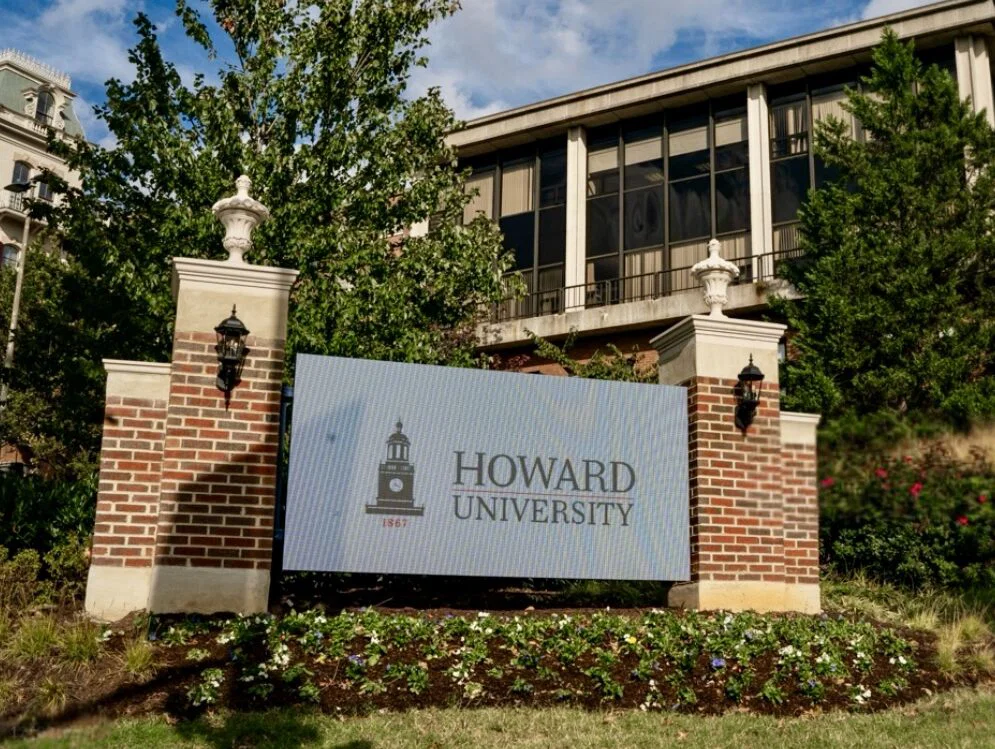
Howard University junior Avery Bernard Johns is addressing that problem through Deadlining, a public database that documents 186 cases involving missing and murdered Black women and girls in Washington, D.C., from 1961 through 2025.
According to The New Hampshire, Johns developed the project after struggling to find official records about the 1961 disappearance of 6-year-old Hattie Yvonne Jackson.
Her initial search identified just 37 cases through federal missing-person records before additional research expanded the database.
How widespread are missing-person reports involving Black girls?
The issue extends beyond Washington.
According to the FBI’s 2025 missing-person statistics, approximately 96,000 missing-person entries nationwide involved Black females. Nearly four in five involved girls younger than 18.
These figures represent records entered during the year, not necessarily unique individuals or unresolved disappearances.
The statistics demonstrate the importance of maintaining accessible information about missing Black women and girls.
Why are historical case records difficult to access?
Johns reported encountering incomplete information and discovering that some older police records had been discarded, according to The New Hampshire.
The Metropolitan Police Department provides a Freedom of Information Act process for requesting records, although accessing available historical information may require additional research.
Beyond documenting individual cases, Johns uses historical housing maps, census information and neighborhood data to identify geographic patterns.
Her Deadlining project could provide families, researchers and journalists with another resource for investigating overlooked cases and preserving the histories of Black women and girls.
RELATED CONTENT: Black And Missing Foundation ‘Still Have A Lot Of Work’ To Do To Amplify ‘Typically Overlooked’ Cases