

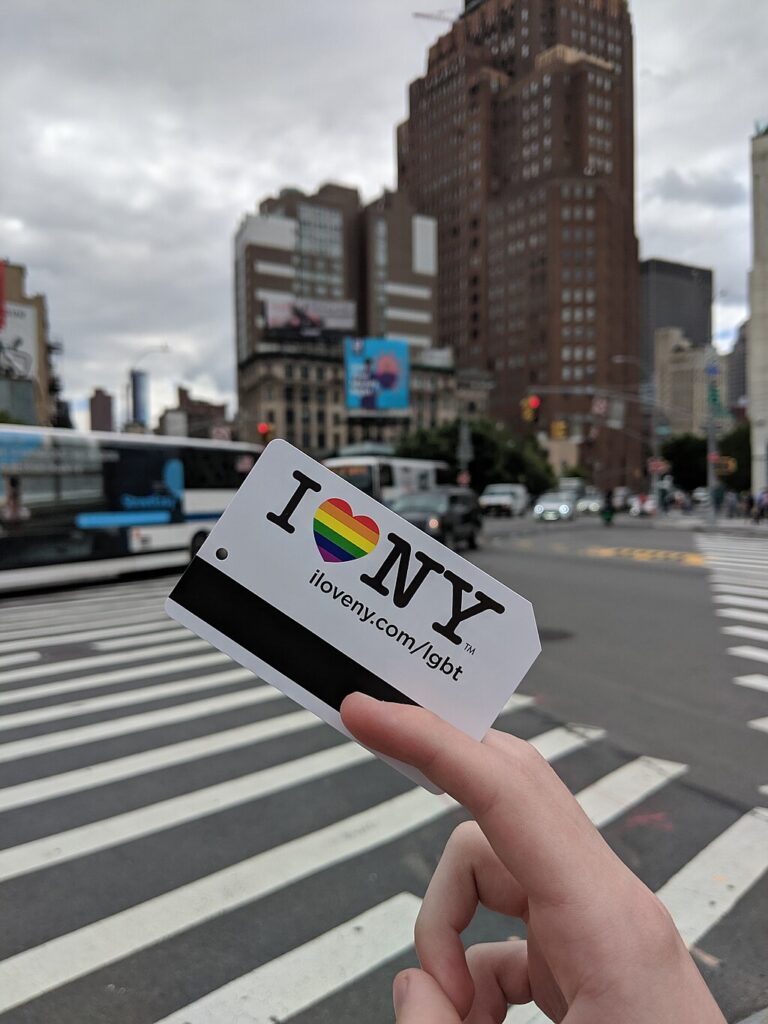
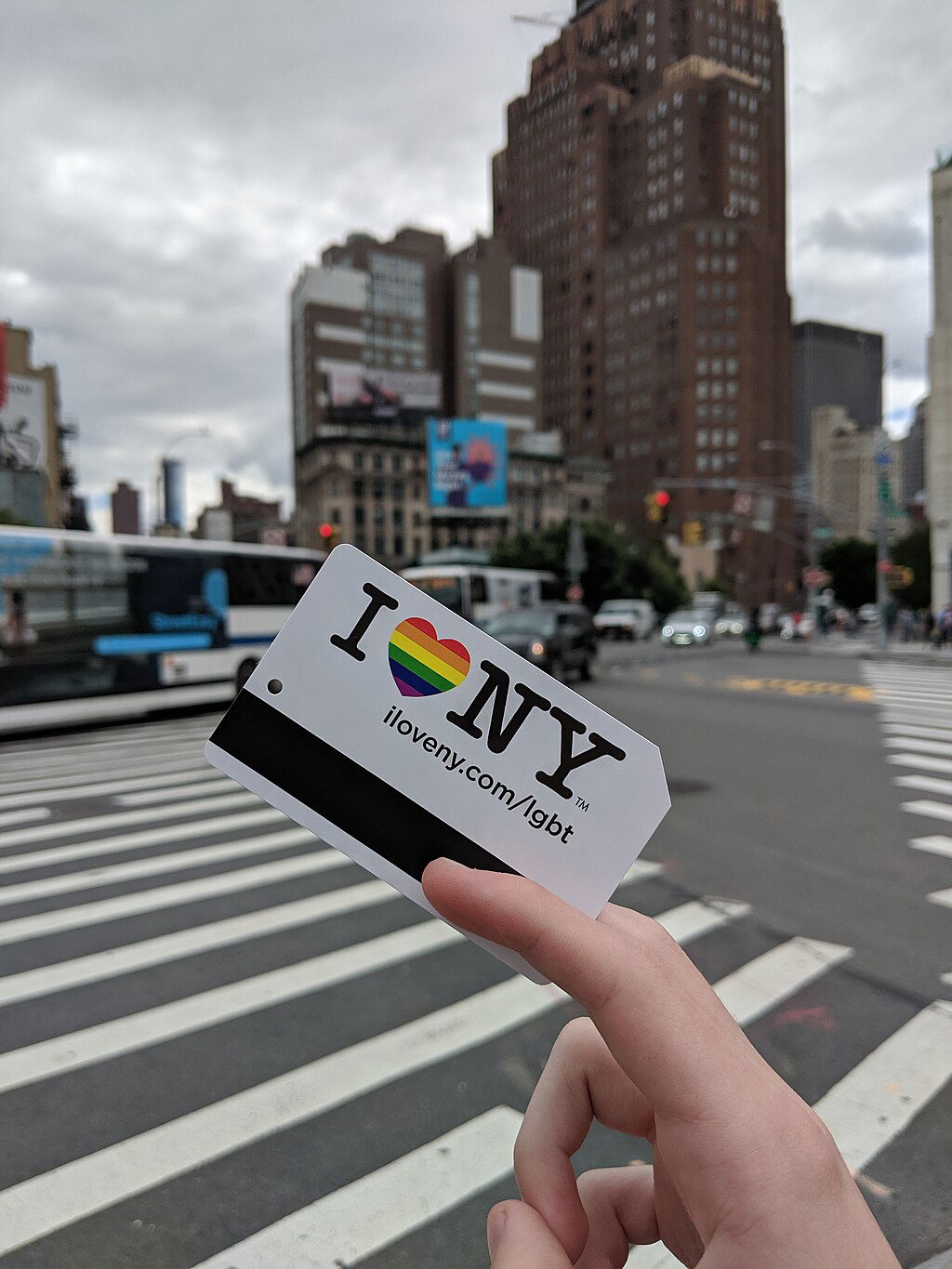
For over three decades, the high-pitched zip of a plastic card hitting a turnstile served as the unofficial heartbeat of the New York City subway. But as of Jan. 1, 2026, the gold-hued MetroCard officially followed the brass token into the annals of transit history.
The Metropolitan Transportation Authority (MTA) completed its full transition to OMNY this week, the contactless “tap-and-go” system that now governs the city’s sprawling subway and bus network.
While the MetroCard was once a symbol of 1990s modernity, it has been outpaced by a world where commuters prefer to pay with a flick of a wrist or a smartphone.
When the MetroCard debuted in January 1994, it was a massive shift for a city that had relied on tokens since 1953. It wasn’t just a fare medium; it was a rite of passage. Perfecting the “Goldilocks” swipe—not too fast, not too slow—separated the seasoned straphanger from the bewildered tourist.
“MetroCards introduced a whole other level of thinking for New Yorkers,” said Jodi Shapiro, curator at the New York Transit Museum. The card became a canvas for the city’s soul, featuring everything from the Wu-Tang Clan and David Bowie to commemorative “Subway Series” editions.
Even political titans struggled with the transition. New Yorkers fondly remember Hillary Clinton’s infamous five-swipe struggle in the Bronx during her 2016 campaign, a moment that proved even for the powerful, the magnetic strip was a fickle master.
The shift to OMNY (One Metro New York) isn’t just about convenience; it’s about the bottom line. The MTA expects the transition to save at least $20 million annually in maintenance and card production costs.
For the average rider, the perks are practical. The system features automatic fare capping, ensuring that no matter how much you ride, you won’t pay more than $35 a week—a cap that remains even as the base fare rises to $3 this month.
In true, slightly unhinged New York fashion, the card didn’t go quietly. Unserious commuters marked the retirement with a level of theater usually reserved for Broadway openings. Social media was flooded with “funerals” for the golden card, featuring straphangers holding mock wakes at turnstiles and pouring out lukewarm coffee in memoriam. There were reports of riders performing dramatic final swipes with the solemnity of a Viking burial.
In contrast, others attempted to “canonize” their last card by framing it next to a crumpled 2004 pizza rat meme. It was a peak display of New York’s signature brand of being with the shits and being unserious: spending three decades cursing at a magnetic strip only to throw it a jazz funeral the moment it’s gone.
NYC subway riders held a symbolic funeral for the iconic MetroCards as the city moves to a one tap system. I started my own NYC journey with these cards too. An era ends, nostalgia remains. 🚇🗽pic.twitter.com/rq9pNRp5Zk
— Dr Ahmad Rehan Khan (@AhmadRehanKhan) December 31, 2025
However, the sunset of the swipe isn’t without its critics. While over 90% of riders have already embraced the tap, some “legacy” users feel left behind.
“It’s hard for the elders,” said Ronald Minor, 70, a Manhattan resident who finds the new digital vending machines more cumbersome than the old booths. “Don’t push us aside and make it like we don’t count.”
The decision to forego the beloved MetroCard came last March with the MTA warning its riders that a change was coming.
“It’s the end of an era: MetroCard sales will end on December 31, 2025 as part of our transition to contactless fare payment for subway and buses. Tap-and-go fare payment is already accepted on all subways and buses, and can be used by students, Fair Fares recipients, and Reduced-Fare customers. You can tap to pay with your contactless credit or debit card, digital wallet, or with an OMNY card. Don’t wait—start tapping today! MetroCards will continue to be accepted into 2026,” the caption stated on the X app.
It’s the end of an era: MetroCard sales will end on December 31, 2025 as part of our transition to contactless fare payment for subway and buses.
Tap-and-go fare payment is already accepted on all subways and buses, and can be used by students, Fair Fares recipients, and… pic.twitter.com/JnYJVGzgMX
— MTA (@MTA) March 19, 2025
For those wary of digital tracking or those without smartphones, the MTA is offering a physical, reloadable OMNY card.
And while you can no longer buy a MetroCard, the MTA will allow riders to burn through their remaining balances well into 2026, providing a slow fade for the card that defined a generation of New York commuting.
RELATED CONTENT: Jhené Aiko, Ludacris, Nelly And Ashanti Anchor Historic 2026 Jazz In The Gardens Lineup