
Georgia has made history.
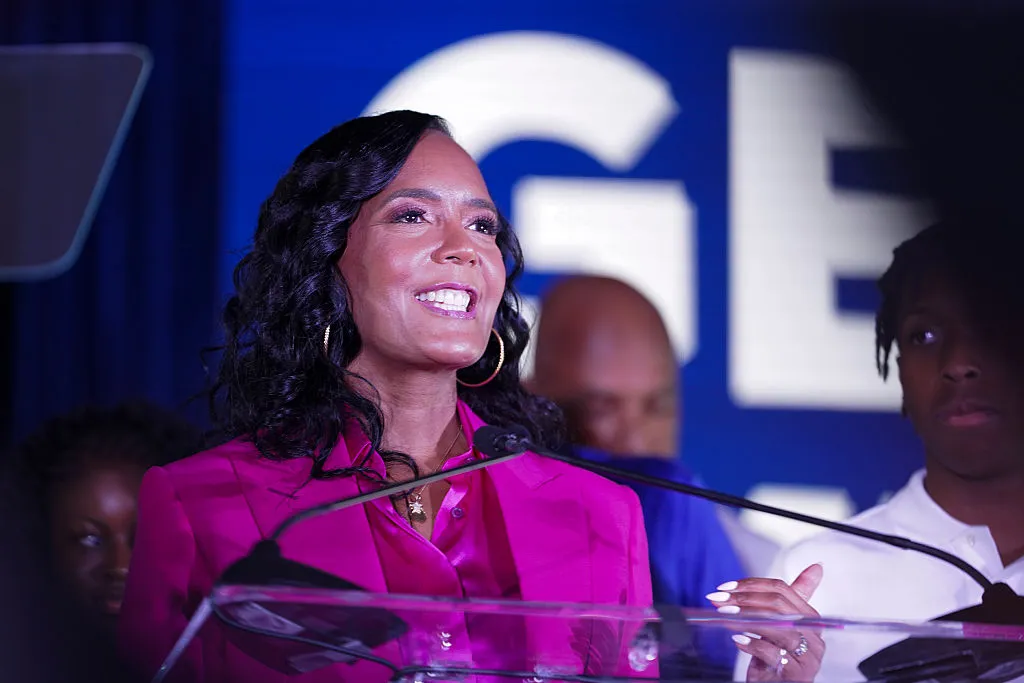
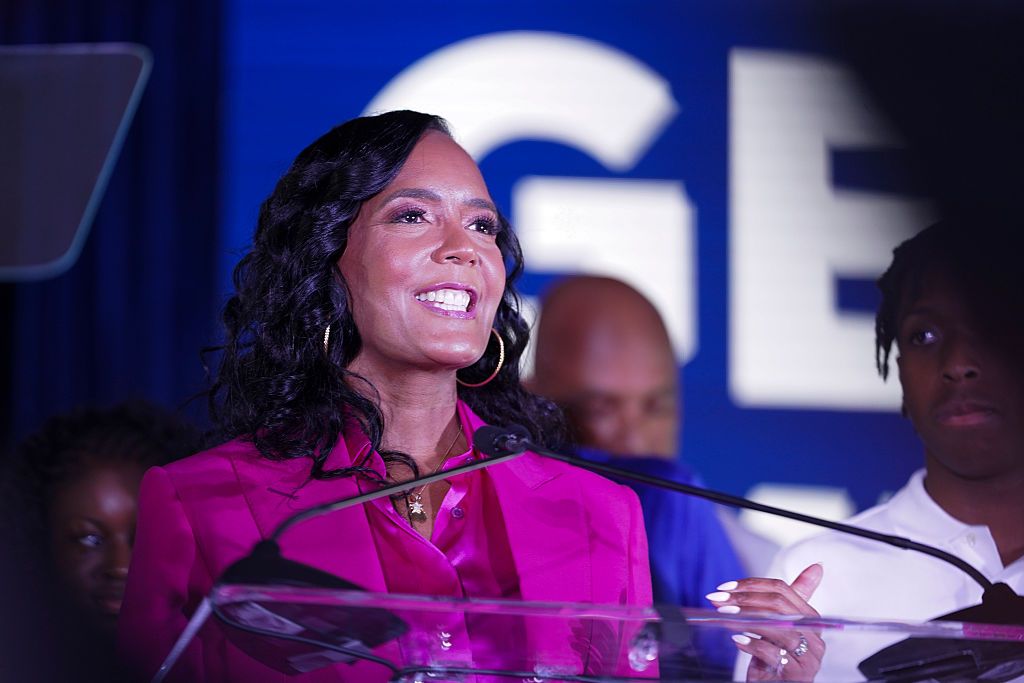
According to projections from the Associated Press, CNN and NBC News, former Atlanta Mayor Keisha Lance Bottoms has secured victory over healthcare businessman Rick Jackson in one of the most closely watched statewide contests in recent memory.
With over 70% of the vote reported, the AP called the race for Bottoms at 9:24 PM EST, winning 54.4% of the state’s vote over Jackson’s 45.6%. With the win, Bottoms becomes the first Black woman to be elected Governor in U.S. history. She is also the first Democratic Governor-elect in the Peach State since 1998.
For Black communities across Georgia — a voting bloc that has repeatedly proven its power at the ballot box — this result carries weight beyond a single election cycle. Many will remember 2018, when Bottoms herself cited a striking statistic during her “Posted on The Corner” interview: an average of just 21 votes per precinct separated the winner from the loser that year. That number became a rallying cry for organizers and voters alike. This year’s outcome builds directly on that history, reflecting sustained community organizing, voter education, and the on-the-ground engagement that defined Bottoms’ campaign.
Why Did the Race Break This Way?
Bottoms built her campaign around accessibility and community-first governance. Instead of concentrating on metro-area campaign stops, she made a visible effort to reach communities statewide — a strategy she detailed on “Posted on The Corner.”
That ground game paid off. Voters consistently named affordability — groceries, healthcare, housing, childcare — as their top concerns. Bottoms built her platform around those exact pressure points, positioning herself as a candidate attuned to the daily economic realities facing working families.
Jackson, by contrast, leaned on broader economic messaging without the same localized outreach. That contrast in strategy appears to have shaped how different regions of the state ultimately voted.
What Did Bottoms Say on the Campaign Trail?
During her “Still Posted” interview with Incognito and DJ Misses of Posted on the Corner, Bottoms spoke candidly about her campaign’s approach. She described traveling to “places like Columbus… Macon, Augusta, Albany, Valdosta, Waycross… Rome, Georgia,” explaining, “I get to talk, but most importantly, I get to listen and I can put faces with the fight, the people I’m fighting for.”
She also addressed first-time and younger voters directly, cautioning against what she called a “purity test”: “Nobody’s going to be perfect… put away the purity test.” Her message: engagement and imperfect progress matter more than waiting for an ideal candidate.
To young people considering public service, she offered this: “Don’t be afraid to fail.” She added, “Don’t think that you have to be perfect, because you don’t. Everybody needs to bring their whole selves to office” — reflecting on how her father’s incarceration shaped “the heart that it gave me and the lens to be able to see people beyond their mistakes.”
Which Policy Issues Shaped the Result?
What is Bottoms’ grocery tax proposal? Bottoms explained, “I have proposed allowing local governments to suspend or completely end their grocery tax if they can afford to do it.” Choose this issue as a measure of her priorities if affordability tops your list of concerns.
Will taxes change on diapers, feminine hygiene products, and baby formula? Yes. Bottoms stated, “I also want to eliminate taxes on diapers, feminine hygiene products and on baby formula.”
How does the governor’s office shape the state budget? “The budget from the governor’s office begins in the governor’s office and then it goes to the state legislature for approval,” Bottoms said, noting that mental health services, healthcare access, workforce housing, education funding, and small business support “all starts in the budget.”
What Happens Next?
With the race called, attention turns to the transition. Bottoms’ team will begin staffing a new administration, reviewing the state budget, and setting legislative priorities. [Insert specific transition timeline and inauguration details once confirmed.] Community leaders will be watching closely to see how quickly promises on grocery tax relief and small business funding become legislative action.
What Can Georgia Voters Expect?
Residents should expect early legislative pushes on affordability, given how central these issues were throughout the campaign. Direct community engagement is likely to remain a hallmark of Bottoms’ governing style, particularly in cities like Macon, Augusta, Albany, and Rome, which she visited personally during her campaign.
A New Chapter for Georgia
This projected victory reflects years of community organizing and a campaign strategy built on showing up in person, statewide. As Bottoms said, “We just gotta win… There’ll be a time to celebrate. There’ll be a time to work.” The real test now is whether campaign promises on grocery taxes, healthcare, education, and small business support translate into measurable change. Stay engaged and keep watching how this administration follows through — your voice got this campaign across the finish line, and it will matter just as much in holding the new administration accountable.
SEE ALSO:
Keisha Lance Bottoms Wins Her Primary—What Does It Mean for Her Georgia Governor’s Race?
Voting For Keisha Lance Bottoms Is More Important Than Liking Her