

January 4, 2026
New analysis shows medication costs continuing to rise even as drugmakers agree to Trump administration’s pricing policy
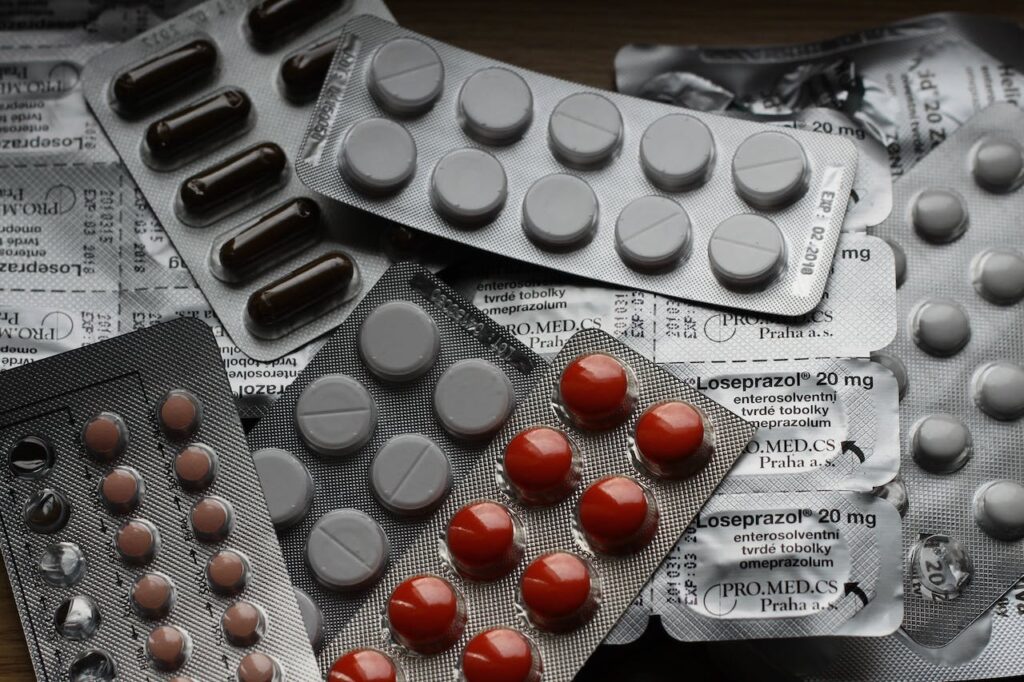
The prices of hundreds of prescription medications in the United States are expected to climb in 2026, according to a new industry analysis, raising questions about the effectiveness of recent Trump federal efforts aimed at lowering drug costs, according to The Hill.
An assessment conducted by health care research firm 3 Axis Advisors found that at least 350 drugs are projected to see price increases next year. The findings, first reported by Reuters, indicate a larger number of medications facing price hikes compared with 2025, when more than 250 drugs were expected to become more expensive. The typical increase is estimated at about 4 percent.
The report comes as the Trump administration has promoted its “most favored nation” (MFN) prescription pricing policy as a major victory for consumers. Under the initiative, more than a dozen pharmaceutical companies agreed to sell certain medications in the U.S. at the lowest price they offer in any global market. Participating companies also committed to offering direct-to-consumer purchasing options.
The administration has touted these agreements as a turning point for affordability. “This represents the greatest victory for patient affordability in the history of American health care, by far,” President Trump said earlier this month during an Oval Office announcement of additional companies joining the policy.
“The pharmaceutical companies were difficult, but they also love our country,” Trump added. “They knew it was unfair, but they were great.”
Drugmakers agreed to the MFN terms voluntarily, though the White House warned that companies refusing to participate could face tariffs on their products. Despite those deals, several medications expected to increase in price next year are produced by companies that signed on to the policy, including major manufacturers such as Pfizer and GSK.
The projected increases do not factor in rebates paid to pharmacy benefit managers or other behind-the-scenes discounts, according to Reuters. As a result, the final out-of-pocket cost for consumers may differ from list prices.
The MFN agreements primarily affect the Medicaid program, while most Americans receive coverage through private insurance plans. Analysts note that the policy may have a limited impact on Medicaid recipients, since the program already requires manufacturers to offer their lowest available prices.
Critics argue that the administration’s approach fails to address the deeper causes of high drug costs. In an analysis of the MFN agreements, the Centre for Economic Policy Research said that patent protections and market exclusivity remain the central drivers of elevated prices.
According to the group, policies focused on international price matching or limited negotiations do little to challenge pharmaceutical monopolies, leaving broader pricing pressures largely untouched.
As drugmakers continue to raise prices amid policy changes, analysts say the disconnect highlights the complexity of lowering prescription costs in the U.S. health care system.
RELATED CONTENT: Study: Why Are Fewer Black Patients Receiving Anti-Obesity And Diabetes Prescriptions?