
Jay-Z is pushing back against online criticism of his recent performances, urging fans to question the narratives circulating on social media in the age of artificial intelligence.
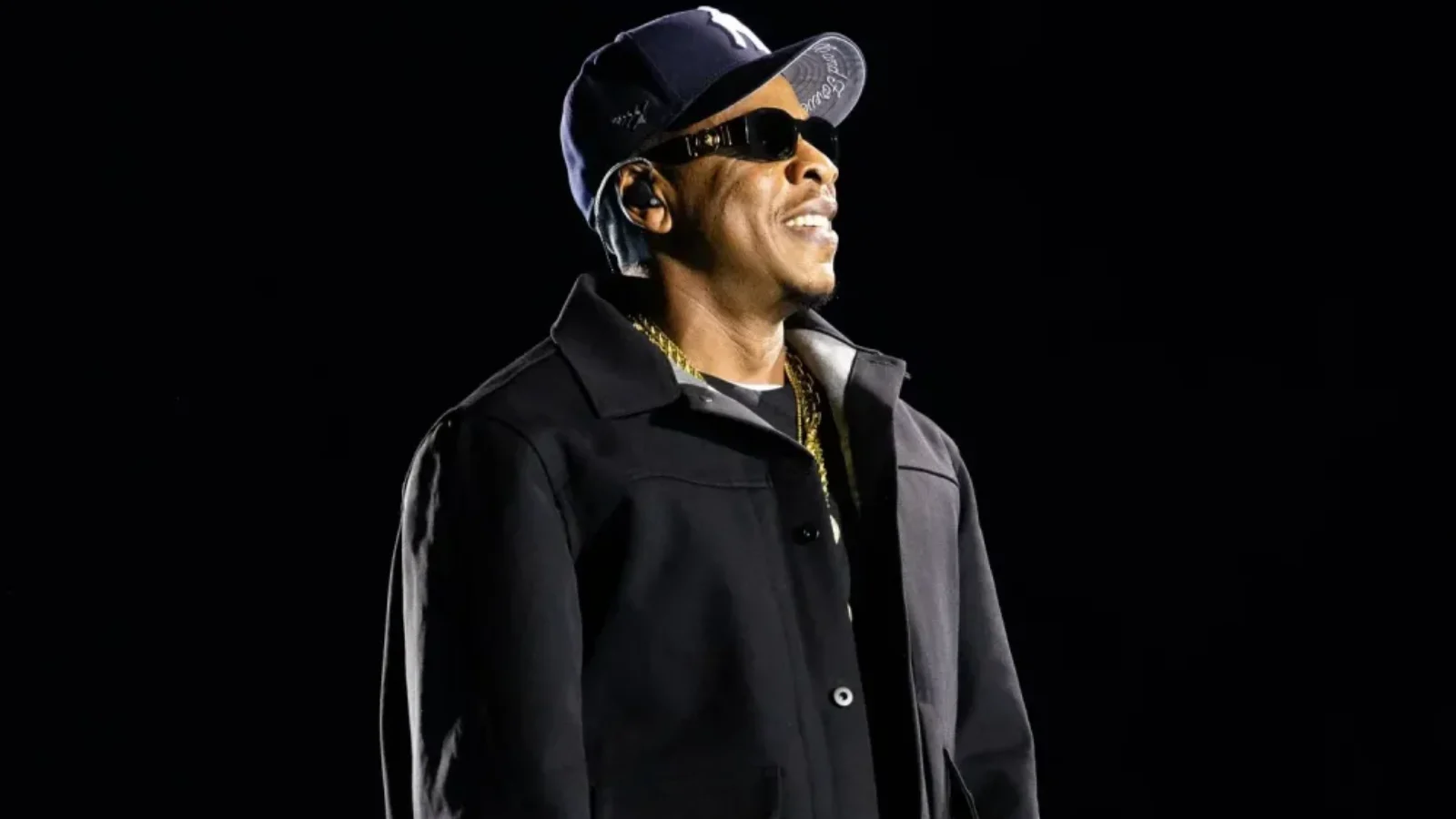
During the second night of his shows at SoFi Stadium in Inglewood, California, the hip-hop icon challenged claims about the concerts’ attendance and reception, reminding the audience to trust what they see and hear for themselves.
“Y’all gotta be very aware of what’s going on in the world, right? People will tell you that nobody was in here tonight, but you got eyes, you can see. People will tell you that the music wasn’t great, but you got ears,” Jay-Z told the crowd.
The rapper went on to encourage fans to think critically about the information they consume, particularly as artificial intelligence makes it easier to manipulate content and influence public perception.
“You gotta understand. You gotta question everything,” he said, according to footage of the performance.
Jay-Z also reflected on how technology has changed the way information spreads, pointing to the growing influence of artificial intelligence and the importance of distinguishing reality from manufactured narratives.
“They called it propaganda before. But now, with technology, it’s called a new trick,” he said. “It’s called artificial intelligence because it’s been looking at you guys. It’s been looking at us.”
His comments come amid online discussions about his recent performances, with criticism circulating about concert attendance and the quality of the shows. Rather than accepting those claims at face value, Jay-Z encouraged concertgoers to rely on their own experiences.
“We got real intelligence, not artificial intelligence,” he said, prompting the audience to consider how their firsthand experiences compare with what they see online.
The remarks underscore broader concerns about misinformation and the role of AI in shaping public opinion. As AI-generated images, videos and other content become increasingly sophisticated, distinguishing authentic footage from manipulated material has become more challenging for social media users.
For Jay-Z, the message was straightforward: question what you see online instead of automatically accepting the prevailing narrative. His comments also served as a reminder that public conversations about an event can differ from the experiences of those who were actually there.