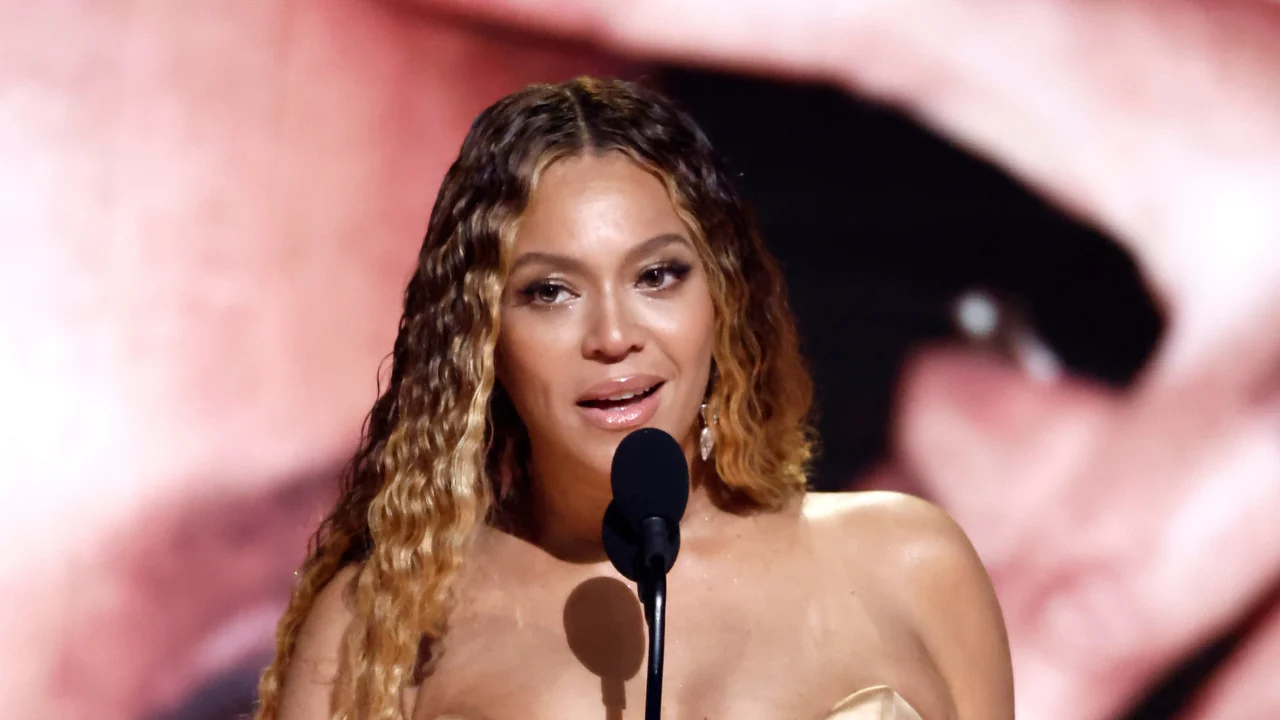

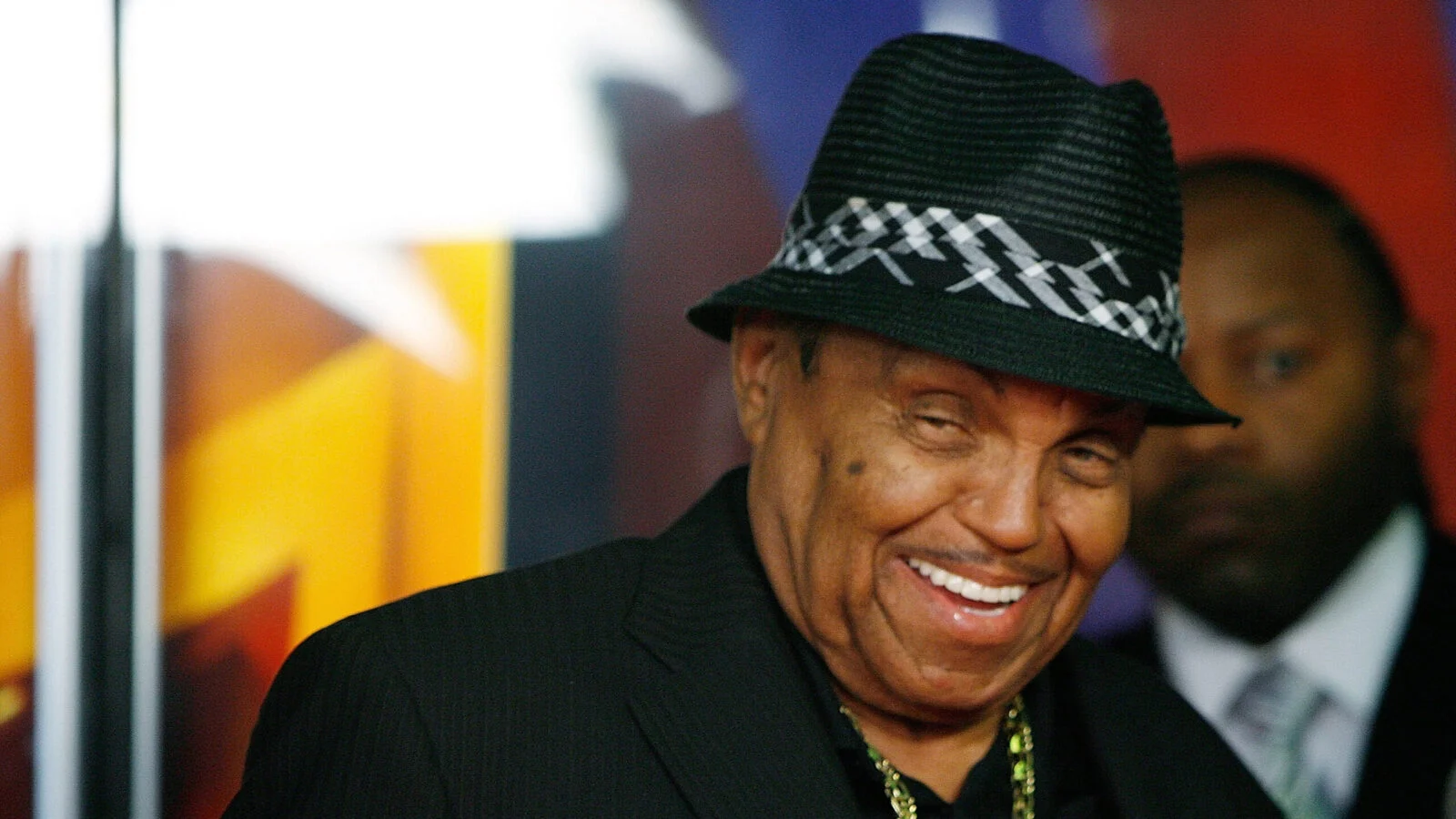
During an emotional interview on “The Portia Show,” Joh’Vonnie Jackson reflected on her childhood as the daughter of the late Joe Jackson and a woman who was not his wife, Katherine Jackson.
Joh’Vonnie said she struggled with the label “bastard child,” a term she was called growing up. Rather than allowing the label to define her, she ultimately used it as the title of her book, Bastard Child. “I gave the title of the book that—bastard child,” she explained, describing the book as a release and a “book of grievances.”
Jackson said she began writing her story secretly when she was 15, eventually completing it decades later. Her mother had already died by then, and Jackson said the writing became a deeply personal form of release. Jackson described a childhood in which her father lived with her and her mother but imposed strict restrictions on where she could go. She said she struggled particularly with being separated from her siblings.
While her brothers and sisters were becoming famous around the world, Jackson said she sometimes had to watch them on television rather than experience that family connection firsthand. She said Rebbie Jackson was the sibling she had access to. That separation also followed her into school, where she said she was bullied because of her unusual family circumstances. Jackson described the experience as difficult, but said the story ultimately belongs to her. “It’s my experience, nobody else’s,” she said when asked why she decided to tell it despite knowing that some family members might be uncomfortable.
Jackson also discussed the recent Michael Jackson biopic and its depiction of her father. She praised her nephew Jaafar Jackson, who portrays Michael Jackson, saying he “nailed it”. She, however, had a different reaction to the portrayal of Joe Jackson.
“As far as the portrayal of my father, that’s not the Joe Jackson I experienced,” she said. Jackson acknowledged that her father was strict, but argued that her experience with him was more complicated than the depiction she saw on screen.
Jackson, additionally, discussed the most personal parts of raising her own daughter. She said she intentionally became a mother because she wanted to experience unconditional love and emotional connection she felt was missing during her own childhood. With her daughter, Jackson said she made a conscious effort to be present. “I did all of that,” she said, referring to asking her daughter about her feelings and thoughts.
Joh’Vonnie Jackson’s story speaks to something larger than the Jackson family name. It explores what happens when a child grows up carrying an identity created by circumstances she never chose.