
A new national poll of Black women is providing insights into their sentiments about the country’s direction under President Donald Trump, and reveals that while they are deeply dissatisfied, they remain determined to defend and protect their families and communities this election cycle.
The Highland Project, in partnership with brilliant corners Research & Strategies, unveiled the new data, dubbed “The Fulfillment Gap.” The survey, conducted between Aug. 30 and Sept.10, polled 700 African-American women, just a few weeks ahead of the midterms. The findings revealed that 77% of Black women voters say they are motivated to participate in the Nov. 3 election.
Unlike in previous election cycles, when high turnout in historic elections was driven by hope and optimism, Black women are motivated to cast their ballots this election by a sense of urgency, as they endure historic job loss, weakened voting rights, and see their earnings falling behind the rising cost of living.
“You see an enthusiasm and potential to mobilization this election that I hadn’t seen, quite frankly, since going back to the Obama era,” says Cornell Belcher, national pollster and president of brilliant corners Research & Strategies.
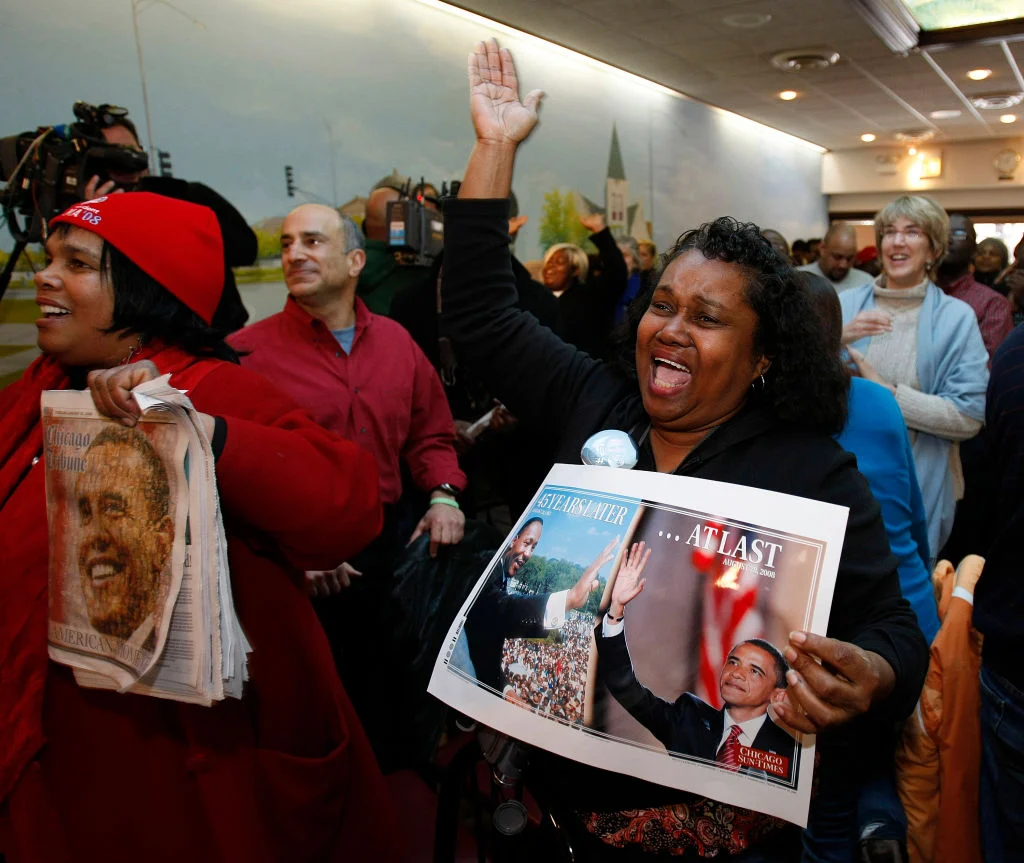
Recalling the 2008 and 2012 presidential elections of Barack Obama, America’s first Black President, Belcher notes that, for the first time in U.S. history, Black voters across the country either matched or exceeded white voter turnout. In the last decade, the turnout gap between white and Black voters had reversed. However, the 2026 elections could see that gap close yet again if the latest poll of Black women is any indication.
“There is a very big difference,” Belcher caveats. “In 2008 [and] 2012, they were being mobilized around hope and optimism. Today, the chief driver of their mobilization is the idea that we got to protect the community.”
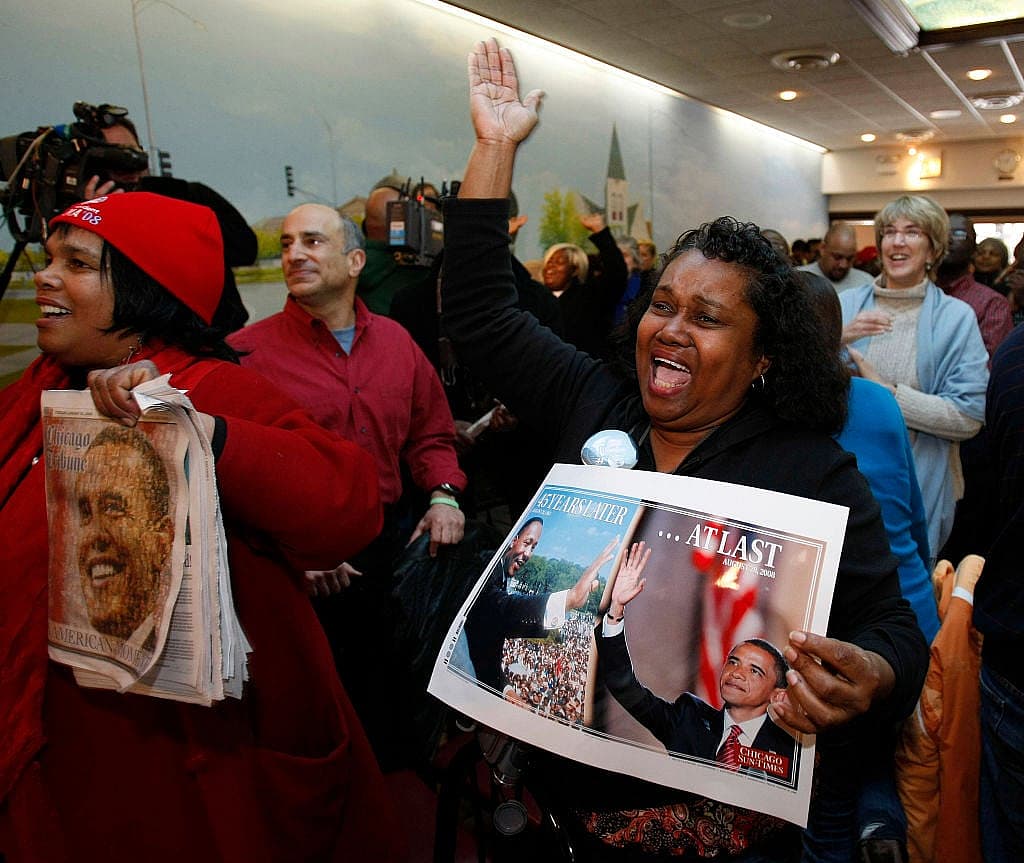
When Black women polled were asked why the 2026 midterms are more important, the most frequent responses were the need for change, dissatisfaction with the country’s current leadership, the poor economy and high cost of living, and the need for checks and balances in government.
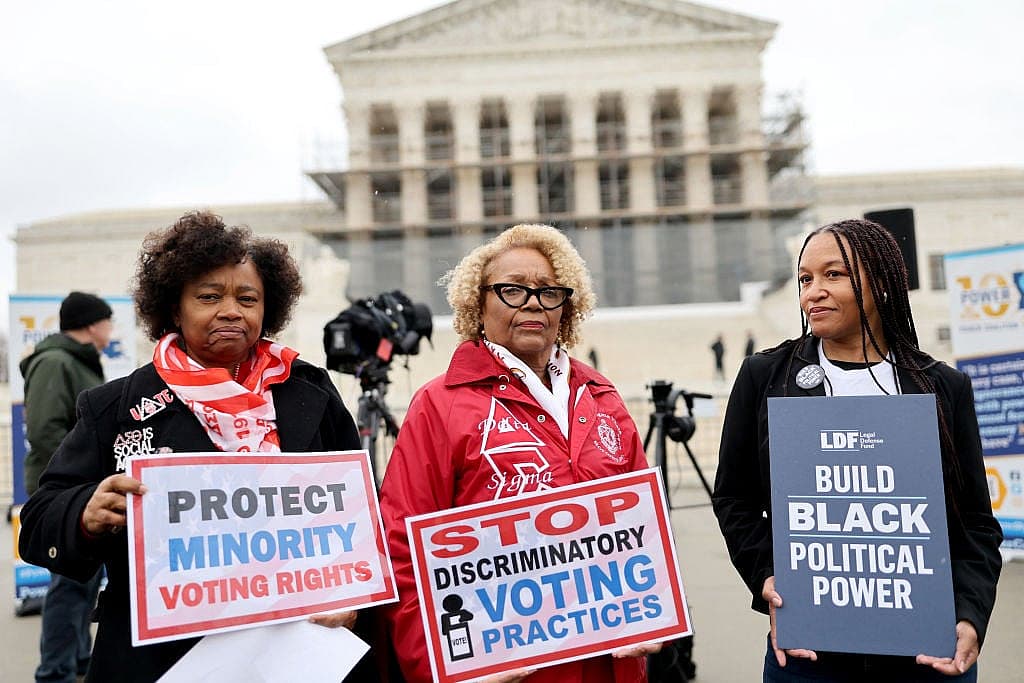
Black women voters are especially animated by the United States Supreme Court’s April ruling, Louisiana v. Callais, that gutted racial discrimination protections under the Voting Rights Act of 1965, which has resulted in Republican state legislatures eliminating majority-Black voting districts across the South. According to The Highland Project/brilliant corners poll, 87% of Black women said changes to voting rights protections made them more motivated to vote; and 61% said the midterm election is more important than previous elections.
Interestingly, 92% of Black women said that they have an overall dissatisfication of the country’s direction—a number that is symbolic, given it was 92% of Black women voters who cast their ballot for Kamala Harris (and against Trump) in the 2024 presidential election.
Black women have seemingly suffered the most under President Trump, with the largest job losses of any other group. That was particularly so for those who worked for the federal government; 21% of Black women polled by The Highland Project/brilliant corners said they were affected by federal layoffs.
“Trump has fired more Black people than probably anyone in the history of the United States,” said Belcher.
Gabrielle Wyatt, founder and CEO of The Highland Project, said the biggest takeaway about the midterms is that Black women want to send a clear message to leadership.
“They’re not satisfied with leadership. They’re not satisfied with the direction of the country, and they’re naming with extreme precision that it’s not only what’s at stake; it’s already about what has been lost,” Wyatt told theGrio. “It’s naming that institutions and their leaders, party agnostic, are falling short on things that matter most to Black women.”
The CEO said that is what’s “at the heart” of what she and Belcher have identified as The Fulfillment Gap: the difference between what Black women name as their top needs and the delivery by leaders on those needs. In every single category, from K-12 education and reducing crime to voting rights and health care, there is an average gap of 5.7 points.
“African American women see that they’re making investments in this country, but the leaders and institutions of this country aren’t holding their end of the bargain,” said Belcher.
Wyatt noted the needs named by Black women are solutions that point to “structural change,” adding, “We’ve got to move past band-aid solutions.”
She continued, “We need to invest in the imaginations of Black women and other leaders who are rallying behind a vision where folks can be joyful, where they do have financial breathing room, where their bodies are protected, where rights are restored and better. I think that’s what we’re hearing folks call for.”
The new poll also focuses on the “components of joy,” which include time to focus on mental health (94%), having enough money (92%), loving relationships (91%), eating healthy (89%), having a rewarding job (87%), and time to pursue hobbies (81%).
Wyatt said highlighting what brings Black women joy was a critical part of the survey. “I think in a world in which we’re having all of this important conversation around affordability, we also have to have important conversations about: are we well?” she told theGrio. “That’s why we needed to ask at scale what a joyful life looks like.”
Belcher said the data on joy provides a fuller picture of who Black women voters are and why they support the policies they do.
“[They] are moved and engaged not because of some idea of a minimum wage or some piece of policy, but they’re moved by joy and trying to get to that joyful place,” he explained. “That’s far deeper and more important than what we typically unpack in a typical sort of polling that is more focused on the price of eggs than anything else.”