
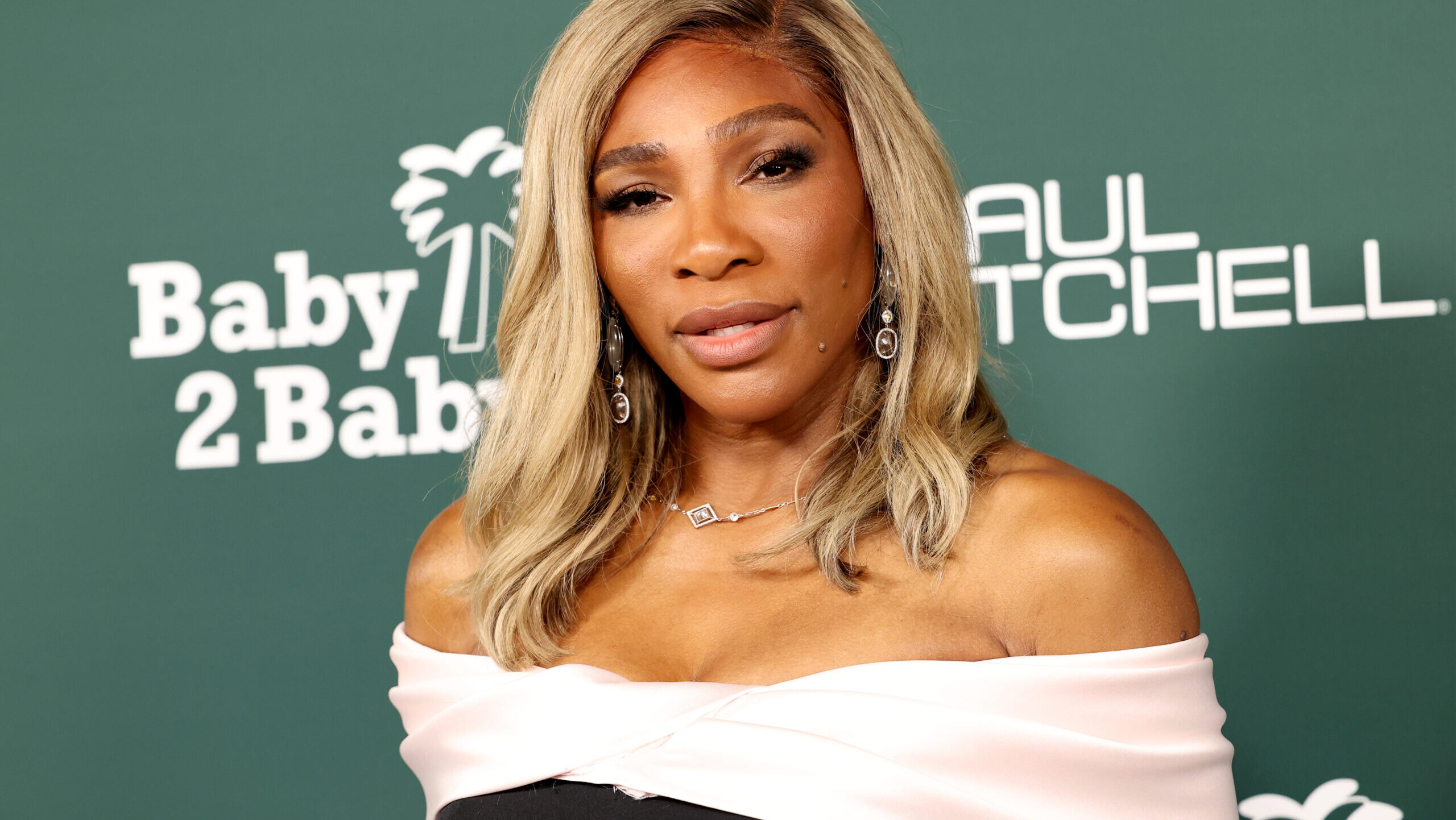
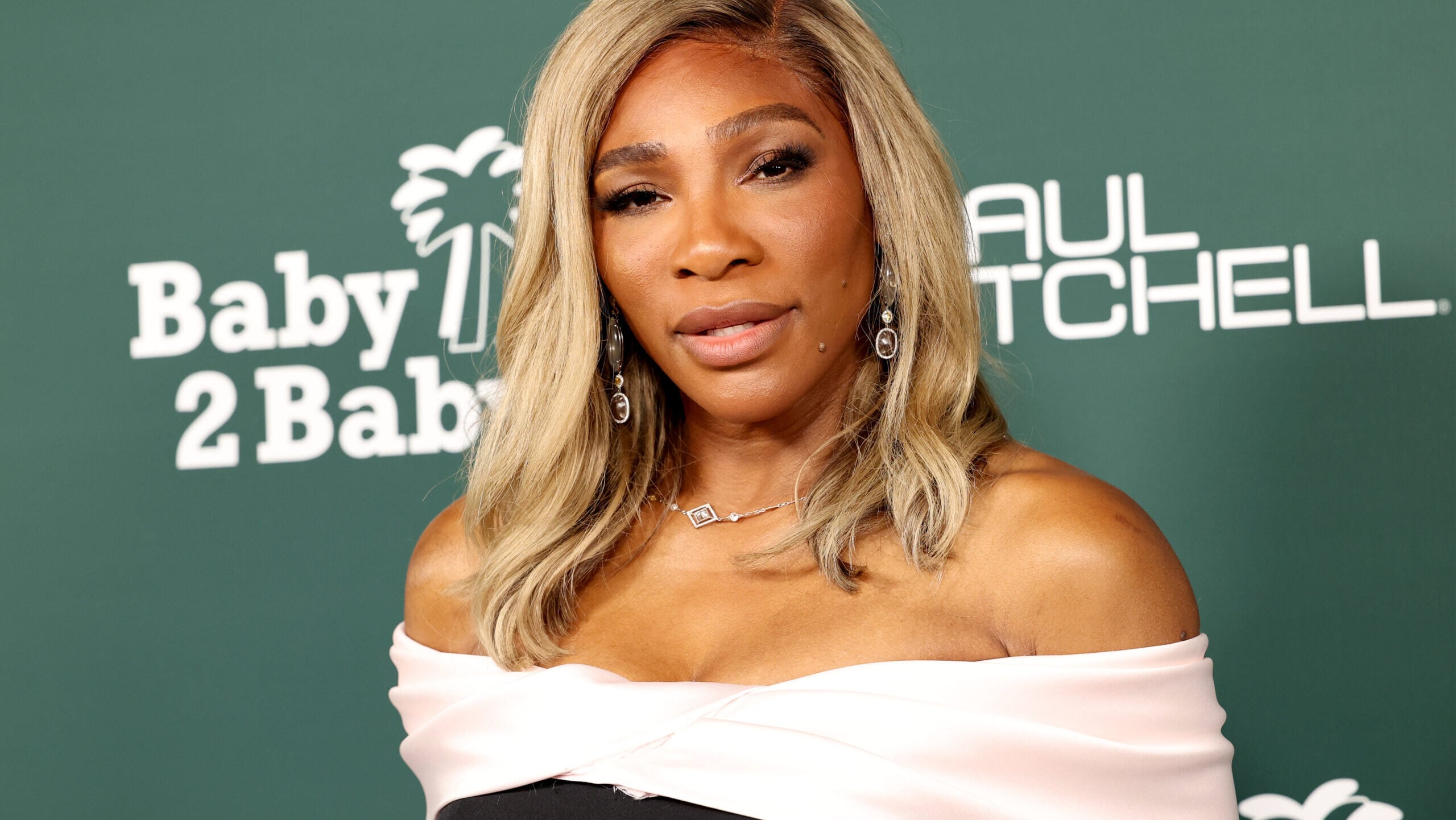
After decades of dominating in a sport that has historically been unwelcoming to Black women, Serena Williams is grateful the younger generation doesn’t have to endure some of what she did.
The 44-year-old tennis legend — who began playing professionally at just 14, meaning she’s spent nearly three decades in the spotlight — opens up in the latest issue of Net-A-Porter’s magazine, Porter, about the toll that pressure, especially around body image, took on her as a young Black teen and woman in tennis.
“Growing up and being Black in tennis, it’s just like, well, that comes with negativity…,” she told the publication, explaining how the experience ultimately gave her a thick skin.
“You have something mean to say, get in line. You got to go way back. It’s going to take you a few days to get there. Join the crowd,” she said, half-joking. “I don’t hear the noise. Everyone is entitled to their opinion. How am I going to sit here and change someone’s thought? If you don’t like me, you don’t have to.”
The 23-time Grand Slam champion also reflected on how, as a teenager, she compared herself to “thin” athletes until she realized she wasn’t lesser — she simply had a different, stronger build. And for nearly 30 years, that build has been relentlessly policed. Her body has been the target of racist tropes comparing her to animals, constant speculation about her muscle mass, and cruel debates about whether her curves were “feminine enough.”
Even her on-court outfits — from the 2002 catsuit to her 2018 French Open bodysuit — were picked apart and in some cases outright banned under the guise of “respecting the game.” Off the court, she’s faced degrading comments about her red-carpet glam and the shape of her figure in designer gowns. And more recently, after she debuted a noticeably slimmer frame, the conversation shifted again, sparking fresh rounds of scrutiny and speculation about weight-loss drugs.
However, she’s thankful that the landscape looks different for today’s young Black women at the top of the game, including Coco Gauff, Naomi Osaka, Taylor Townsend, and others.
“It’s changed. No one’s calling these girls the things I was called. People would say we were like men and all this other stuff,” she said, noting that her own relationship to the commentary has evolved as well.
“I’m not going to let anyone bring me down,” she continued. “I put enough stress on myself. The last thing I’m going to allow is someone else to do that. But I’m so happy that girls nowadays don’t have to go through it as much. I mean, I think internet trolls are different. So, you have that to deal with.”