
When I jumped back into SUCCESS as Managing Director in July 2025, it was to help the organization pivot into being an AI-first company. The technology was moving fast, and we needed to move with it — not watch from the sidelines.
It started with Lovable. Then in August, GPT-5 dropped. After that came Claude Sonnet 4.5, then Gemini 3.0, then ChatGPT 5.2. And now we’re working with Claude Opus 4.5 — which I’ve started calling “the beast” because it genuinely feels like having a senior developer, strategist, and writer on call at all times.
Each generation brought more context, more capability. The first time one of us built something substantial over a weekend — an entire platform with AI-powered features, admin dashboards, integrated content tools — it felt like a threshold moment. A year ago that’s a six-month project with a full team. Now it’s one person and Claude on a Saturday afternoon.
What’s exciting is how quickly everyone has leaned in. Rachel and Tali have been vibe coding new features. Tyler’s been experimenting with content workflows. We’re not debating whether AI changes things — we’re figuring out how to reorganize around it.
The model we’re adopting comes from Amazon: the Single-Threaded Leader. One person who owns an asset end-to-end, drives all the decisions, and has their success tied directly to the asset’s success. It’s not a new concept, but AI makes it dramatically more powerful. When one person with AI can legitimately handle what used to require five specialists, you can structure a company very differently.
In a meeting last week, Tyler Clayton immediately said he wanted to take ownership of the SUCCESS Store. That’s exactly the energy we’re looking for — people who want to own outcomes, not just execute tasks.
“It gives you that sense of, like, hey — if I work harder, then I earn more,” Tyler said. He got it right away.
We’re already seeing this work with coaching. Courtland gets paid per graduate at the end of each cohort. The back-end operators have compensation tied to lead generation and conversion. Everyone’s aligned around actual outcomes.
So we’re extending that model across our assets.
The Jim Rohn property will have one operator who owns everything — the website, the content library, the community, e-commerce, social channels, YouTube. We’ve built a daily playbook right into the platform with all the tasks that move the needle. The operator can follow it paint-by-numbers, or go full entrepreneur and build on top of it.
SUCCESS.events will have one operator managing the platform, building relationships with event organizers, and feeding our talent pipeline — because every speaker they discover is a potential magazine cover, a potential coaching faculty member.
People are volunteering to own things. They’re learning the AI tools. They’re building. They’re thinking like operators, not employees.
There are really two types of people in any organization. You’ve got the entrepreneurs — they’re tinkering after hours, thinking about the business constantly, looking for ways to make things better. And you’ve got people who thrive with clear direction and a solid playbook. Both are valuable. The STL model makes room for both — playbooks for executors, upside for entrepreneurs.
With AI, both types punch way above their weight. The playbooks we’re building into these platforms make it possible for someone relatively junior to run an asset effectively. But they’re extensible enough that an entrepreneurial operator can take it much further.
That’s the real unlock. AI doesn’t replace humans — it gives one human the capability to run what used to require a team. And when that human actually owns the outcome, they care about it differently. They’re not waiting for permission or direction. They’re driving.
Most companies are still figuring out whether AI is a threat or a tool. We’ve moved past that. We’re restructuring around it — finding the right people, putting them in seats where they own outcomes, tying their success to results, and giving them AI as their unfair advantage.
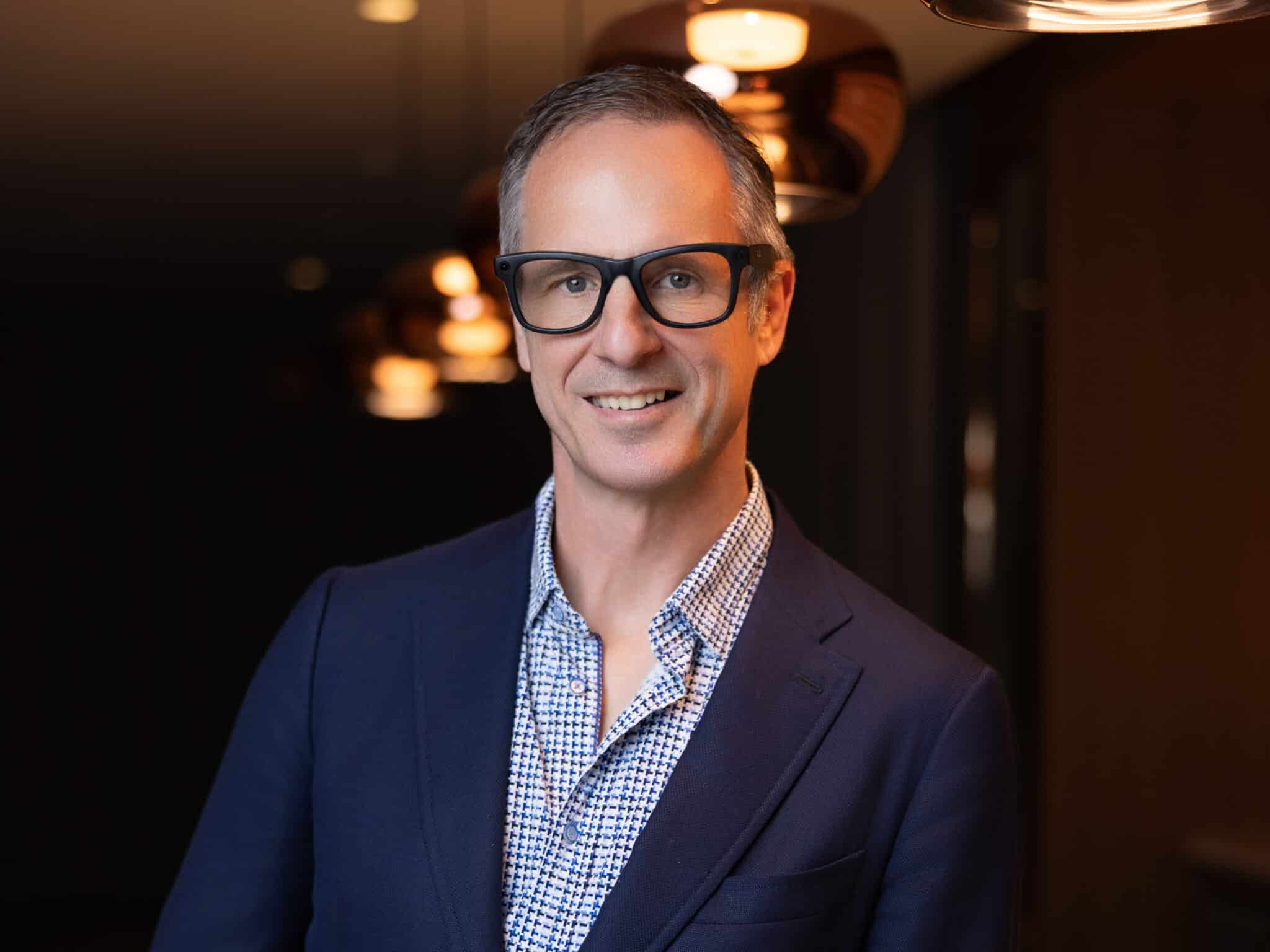
Photo provided courtesy of Glenn Sanford