

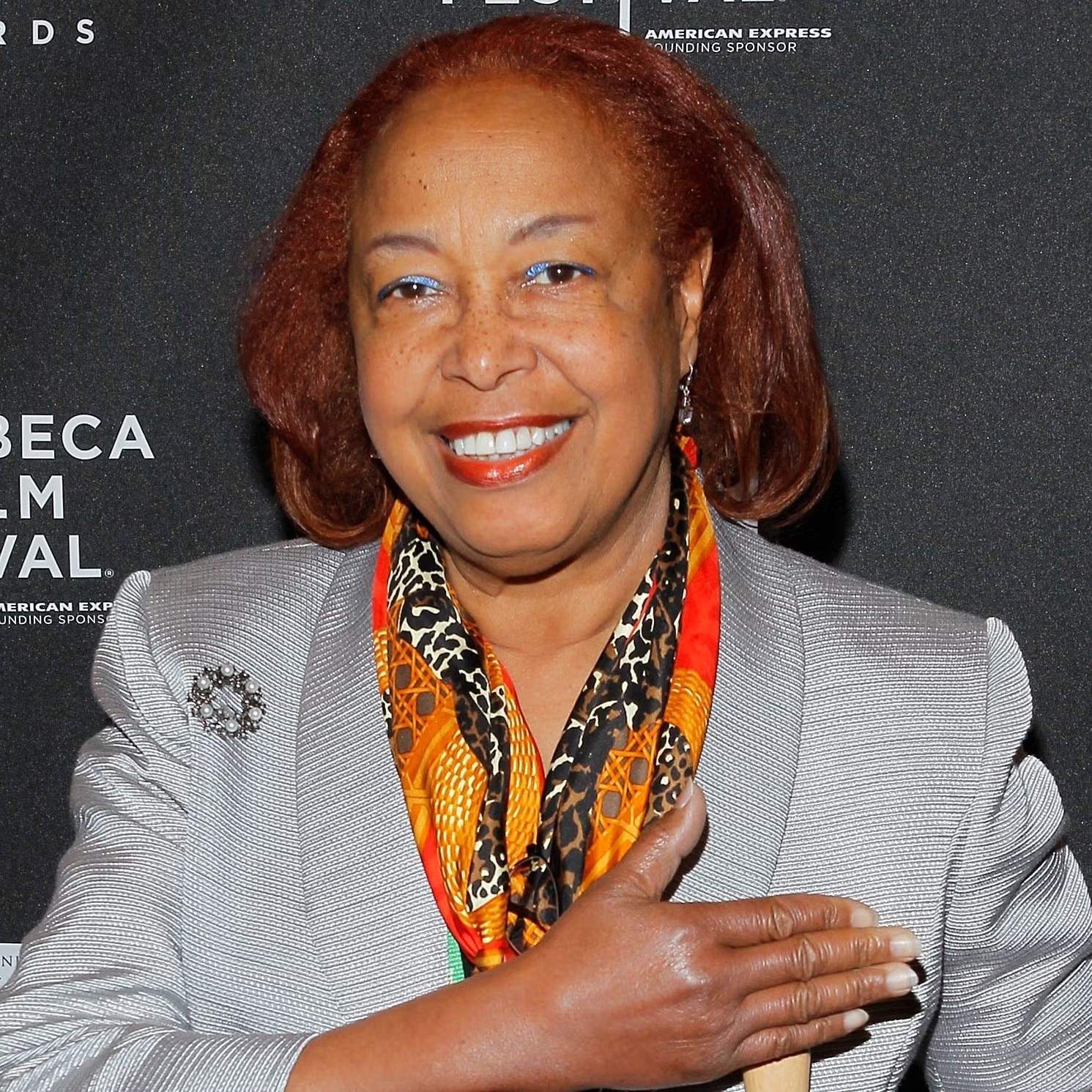
By UniteNews Black Innovator Series
Patricia E. Bath was born in Harlem in 1942, in a community rich with culture, resilience, and struggle. Long before Dr. Patricia E. Bath would become a world-renowned ophthalmologist, inventor, and laser scientist, she was a curious young girl absorbing stories of possibility. Newspaper articles about Dr. Albert Schweitzer’s humanitarian work in Africa captured her imagination. Family conversations about service and perseverance shaped her sense of purpose. By her teenage years, Bath already knew she wanted to become a physician—not for prestige, but to help restore what illness and inequity too often take away.
That sense of mission never left her.
After earning her medical degree from Howard University College of Medicine, Bath trained at Harlem Hospital, Columbia University, and New York University, becoming the first African American resident in ophthalmology at NYU. As a young intern traveling between Harlem and Columbia’s Eye Clinic, she noticed something that would alter the course of her career. In Harlem, nearly half the patients she encountered were blind or visually impaired. At Columbia, few were.
The difference was not biology. It was access.
Bath conducted a retrospective epidemiological study that confirmed her suspicions: blindness among Black Americans occurred at roughly twice the rate of whites, largely because of limited access to eye care. From this discovery, she proposed a revolutionary idea—community ophthalmology—a model that combines public health, community outreach, and clinical medicine. Volunteers would screen children, seniors, and underserved populations for cataracts, glaucoma, and vision problems before irreversible damage occurred. The approach saved thousands of people from preventable blindness and gave children something invaluable: a clearer chance to succeed in school and in life.
In 1974, Bath joined the faculty of UCLA and Charles R. Drew University. She became the first woman ophthalmologist appointed to UCLA’s prestigious Jules Stein Eye Institute and, in 1983, the first woman in the United States to chair an ophthalmology residency program. Yet progress came with resistance. Bath encountered persistent sexism and racism, including being offered an office in a basement next to laboratory animals. She declined, quietly and firmly, choosing instead to focus on her work.
That work would change modern medicine
In 1981, Bath conceived a ground-breaking idea for cataract removal using laser energy rather than mechanical grinding.
For the complete article, Subscribe to the UniteNews Magazine. 25$ for one year.