

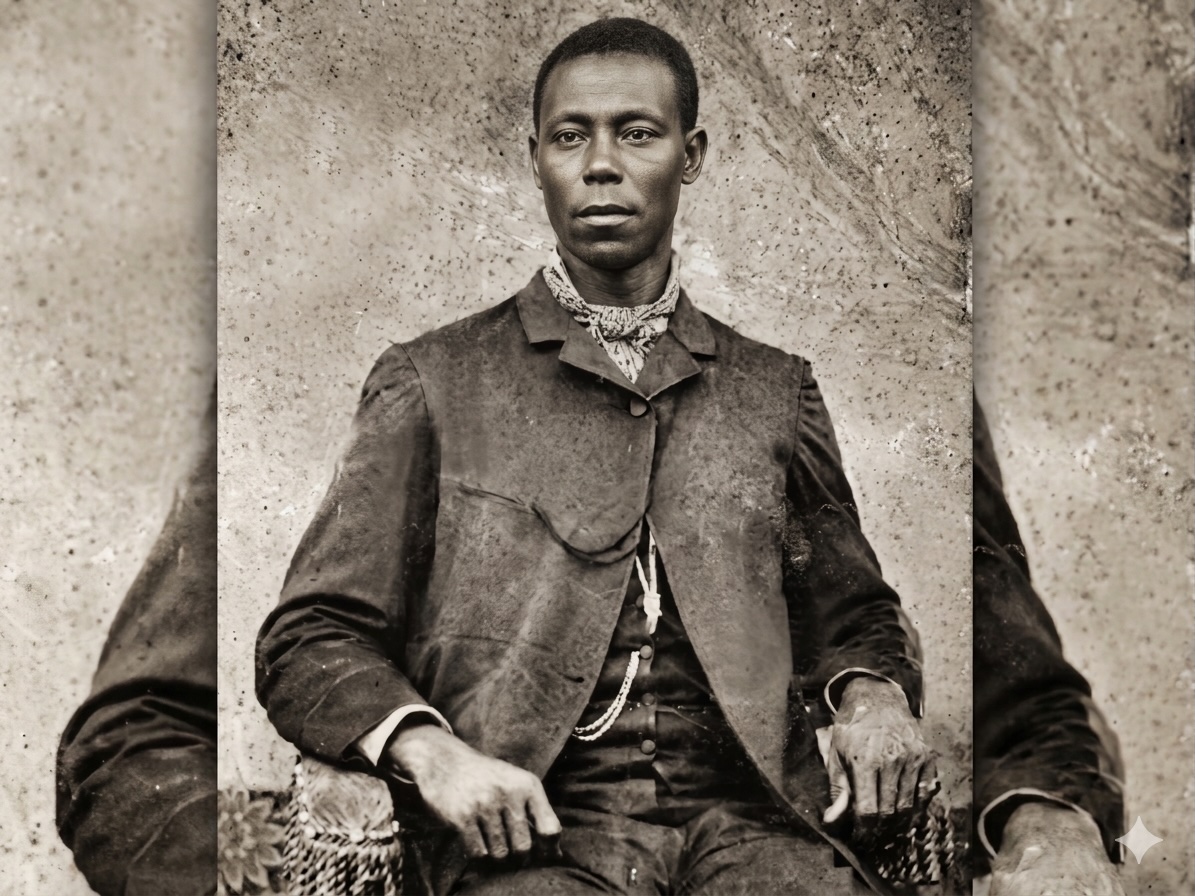
By UniteNews Staff
In the early 1800s, the streets of New York City moved with a different rhythm. Horse-drawn carriages rattled over cobblestone roads, and inside modest tailor shops, skilled hands worked tirelessly to meet the growing demand for fine clothing. Among those craftsmen was Thomas L. Jennings—a man whose work would quietly reshape both an industry and a moment in American history.
Jennings was more than a tailor. He was an observer of problems others accepted as routine. Delicate garments—wool coats, silk dresses—were nearly impossible to clean without damage. Water-based washing methods shrank fabrics, faded colors, and ruined expensive clothing. For Jennings and his clients, this wasn’t just an inconvenience—it was a barrier.
What followed was not a single breakthrough, but a process. Long hours. Careful testing. Failure, adjustment, and persistence. Jennings began experimenting with chemical solutions, searching for a way to remove stains without harming the fabric itself. Slowly, methodically, he refined what would become known as “dry scouring.”
In 1821, that work reached a defining moment. Jennings secured a United States patent for his process—becoming the first Black American to do so. It was a historic achievement, set against the backdrop of a nation still deeply divided by slavery and inequality. At a time when many Black Americans were denied basic rights, Jennings claimed ownership of an idea—and, with it, a place in the economic fabric of the country.
But the story does not end with invention.
The success of Jennings’ process brought financial stability, something rare for a Black man in that era. Yet he did not retreat into comfort. Instead, he turned outward. The profits from his innovation helped fund abolitionist efforts, supporting the growing movement to end slavery in the United States. His work extended beyond garments—it became part of a broader struggle for freedom and justice.
Jennings’ life reflects a pattern often overlooked in history: innovation born from necessity, and success redirected toward community impact. His contribution laid the groundwork for modern dry cleaning, an industry that continues to operate on the principles he first developed nearly two centuries ago.
Today, his name is not widely known. There are no household brands that carry his legacy in bold letters. Yet his influence endures in quieter ways—in every carefully preserved suit, every restored dress, every garment saved from ruin.
Thomas L. Jennings did not set out to change history. He set out to solve a problem. In doing so, he left behind more than an invention. He left a model—of ingenuity, of ownership, and of using success not just for personal gain, but for collective progress.

Preserving the Ozarks
Preserving the history and culture of the Ozarks is the charge of the Springfield-Greene County Library’s Local History & Genealogy Department. During May, experience stories