
President Donald Trump said he was working on a “final determination” at the White House on Friday to strike a deal to end the United States war in Iran, which has been costly both in America and around the globe.
Not only is the U.S. military operation costing the country at least $2 billion a day, but it is also having a devastating impact on the U.S. economy. Gas prices are averaging more than $4.3 per gallon, inflation and mortgage rates have skyrocketed for another straight month, and other goods and services, impacting industries like farming, remain on the rise.
Black Americans are especially suffering as a result of Trump’s war and the confluence of economic strains, including Trump’s tariffs on global imports and cuts to federal programs for food and health care assistance. In addition to experiencing the disproportionate pains of generational racial disparities in wages and wealth attainment, Black households are also facing a higher rate of unemployment.
Victor LaGroon, a former U.S. Army intelligence analyst and national security expert who worked for the Biden-Harris Department of Veterans Affairs, tells theGrio that if Trump does not find a way to end the war in Iran, “Underserved communities — which is the majority of our country — they’re going to continue to suffer in immeasurable ways.”
“He continually [says] that affordability is a hoax, that this crisis is not a crisis, even though communities, specifically the Black community, are calling it out,” said Democratic strategist Ameshia Cross. Following the Supreme Court’s gutting of the Voting Rights Act, Cross told theGrio Black Americans are “watching their vote be potentially diluted as the redistricting efforts continue across the South,” and therefore, “even those who are raising their voices will no longer have that political power in the next legislative cycle.”
However, ending the war will require serious dealmaking between the U.S. and Iran, and a lot stands between such an agreement, including years of complex hostility and broken agreements, as well as control of Iran’s nuclear program, natural resources, and the international waterway, the Strait of Hormuz, where 20% of the world’s commercial oil flows.
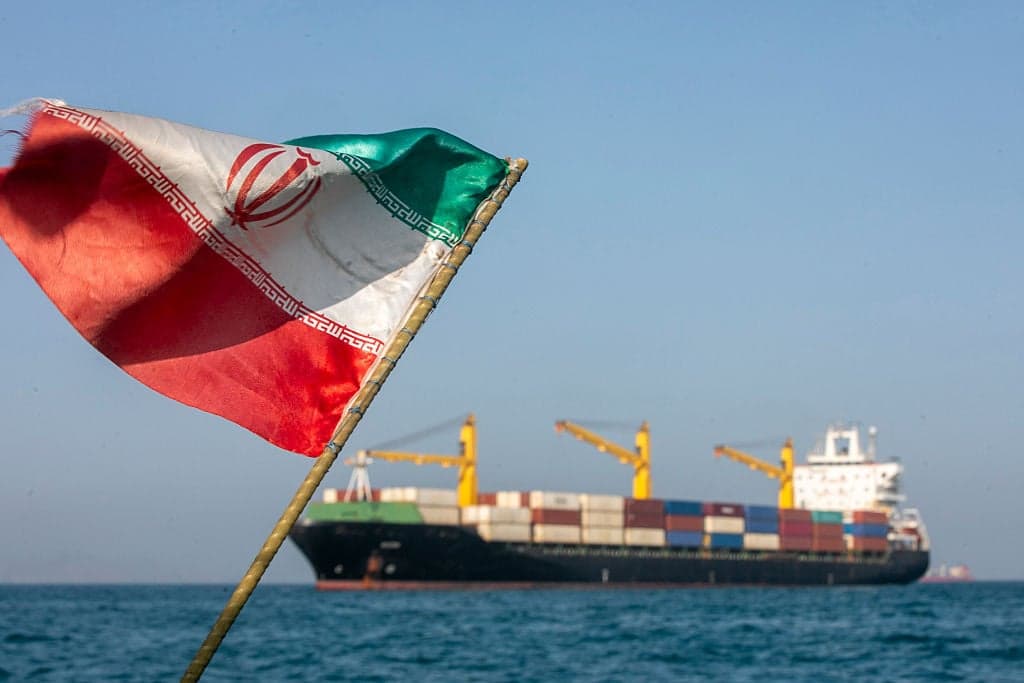
In a Truth Social post on Friday, Trump declared, “Iran must agree that they will never have a Nuclear Weapon or Bomb.” The president demanded that the Middle Eastern country “immediately” open up the Strait, including ending tolls for passing ships, and the removal and destruction of Iran’s enriched nuclear material.
As much as a deal would bring relief to American households, most especially in Black communities, national security and foreign policy experts tell theGrio that the president’s ambitious goals in order to finally end the 90-day war are unrealistic and far more complex than perhaps Trump wants to admit publicly.
“It’s actually a lot harder than what we’ve seen in the past with [President] Barack Obama,” said Asha Castleberry-Hernandez, a former Biden-Harris appointee in the Department of Defense and U.S. Army veteran who was deployed in the Middle East.
Since launching strikes in Iran on Feb. 28, Trump has repeatedly blasted America’s first Black president’s 2015 Iran nuclear deal, officially called the Joint Comprehensive Plan of Action (JCPOA). The 47th president has repeatedly called the Obama deal a “disaster” and argued that Americans would be in even greater danger of nuclear attack had he not terminated it.
The Obama nuclear deal placed restrictions on Iran’s nuclear enrichment as opposed to trying to end it entirely. It also established an oversight system to ensure the enrichment program remained at a certain level, at the risk of sanctions against Iran.
“Every country that seeks a nuclear weapon is not doing so to use it, but to have leverage at the table,” said LaGroon. “That allows people to be cautious about invading your country. It also allows you to have a voice that gets heard.”
Castleberry-Hernandez told theGrio, unlike Obama’s deal, Trump has little international support in the region as he negotiates with Iran, though he has received some help from Pakistan. However, she said, “Pakistan can’t do it alone,” adding, “it’s really delaying the process of them being able to reach a deal.”
LaGroon said the Obama deal was “the best agreement we could get,” largely because the U.S. still had “influence” over Iran. He told theGrio, “We had the ability to come back to the table, we had the ability to have conversations, use diplomacy, which is what you should do instead of war.”
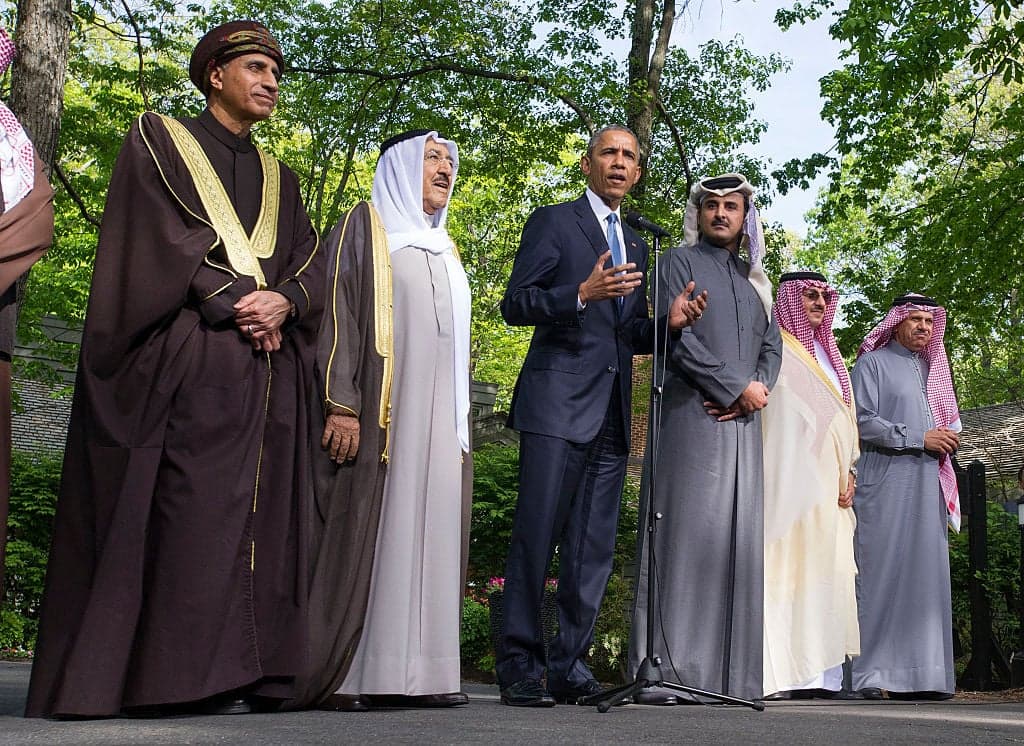
Cross says that Trump is trying to “bolster a deal” he sees as better than Obama’s, which he “blew up” in 2017. However, she notes Iran “came to the table” and took some “losses” to strike their deal with the Obama administration. Now, after engaging in a months-long war with the U.S., resulting in the deaths of their Supreme Leader and top officials, Cross noted, “They are not willing to give up everything when they’re in a military position right now, where they’re winning.”
Despite Trump repeatedly saying the U.S. has “destroyed” Iran’s military capabilities, Iran has managed to hold momentum with their control of the Strait, where they are generating revenue through ship tolls.
Castleberry-Hernandez told theGrio that if Trump’s deal results in Iran keeping control of the Strait of Hormuz, then it would end up “worse” than Obama’s deal, which would be an embarrassment to Trump, who often compares his presidency to Obama’s.
“The United States does not have the cards,” said Cross, adding, “They don’t know what the next step is, and unfortunately for Trump, no matter how many times he tells us that this war is going in our favor, and he is projecting out end dates, it has not occurred.”
LaGroon says if Trump reaches a deal with Iran soon, it won’t be “very detailed” and is unlikely to hold, given every announcement with Iran thus far has “fallen apart.”
“We go into this vicious cycle of dysfunction because this administration is not capable of being strategic when it comes to diplomacy. Donald Trump wants to dictate his way through terms, and that’s not going to work in this situation,” said LaGroon.
As for the war’s impact on the pockets of everyday Americans, most acutely Black Americans, LaGroon warns households should brace for more impact.
“If he were to strike a peace agreement today, and if the war were over today, come November, the gas prices aren’t going to come down. You can’t just flip the switch, and all of a sudden reproduce enough oil and drive down the price of oil and gas,” he told theGrio.
LaGroon continued, “He has already said in his own words, I don’t care about the American people’s economics, I care about this war. And I think that tells you a lot about his priorities as a president. He is only fighting to put greed and corporate interests ahead of the American people, and this isn’t going to spell well for the Republicans come November.”
He added, “The residual fallout from Donald Trump is going to be disastrous for decades.”