
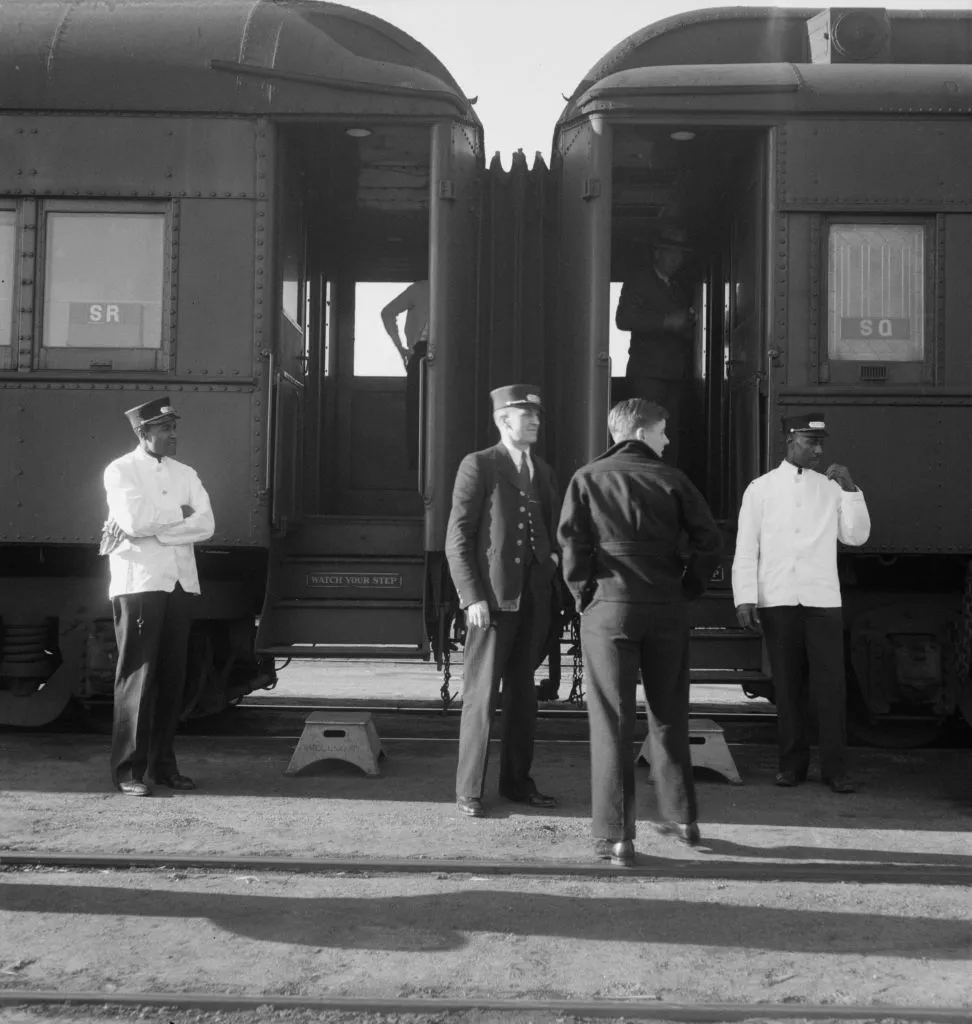
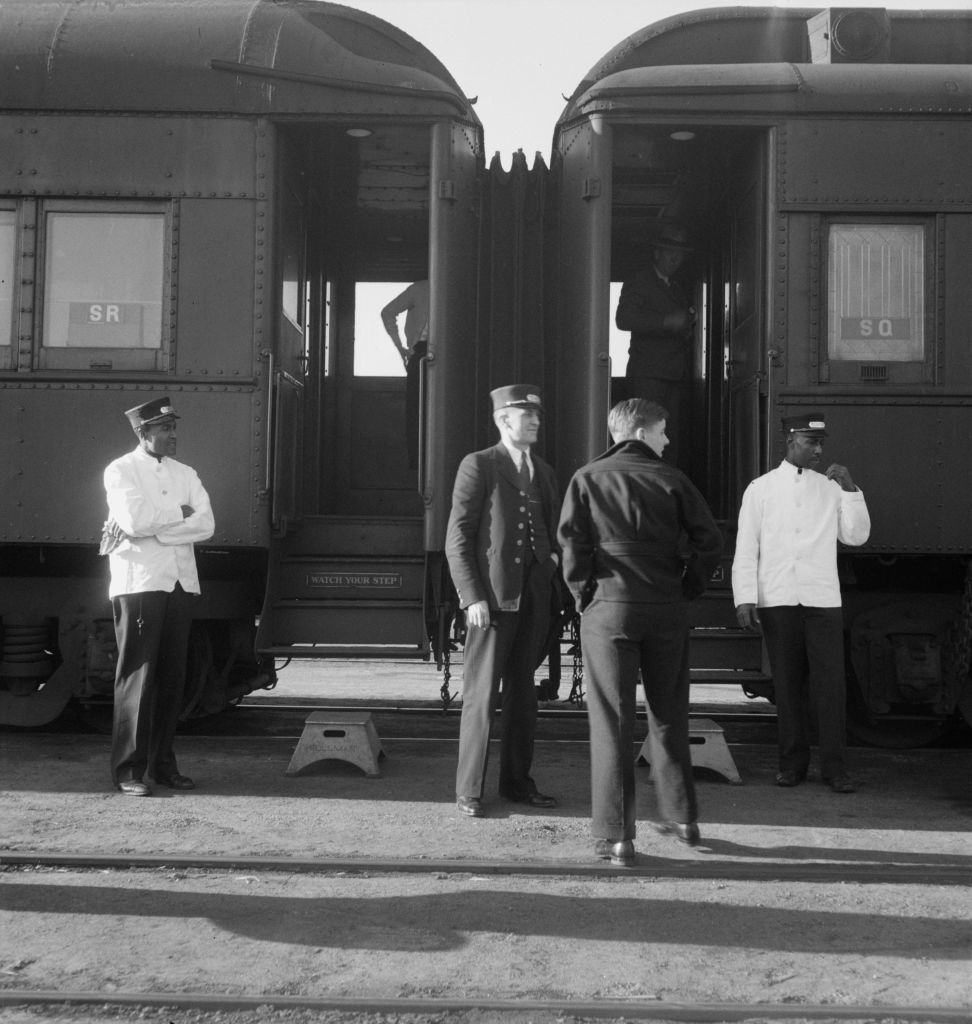
The Pullman porters are among the unsung heroes of Black history. They helped transform America’s railroad industry, making luxury train travel synonymous with comfort, elegance, and exceptional service through the Pullman Car Company, founded by businessman George Pullman. But behind the polished image of these “hotels on wheels” was a painful reality: the men responsible for delivering that luxury endured racism, exploitation, grueling hours, and low wages. So who were The Pullman Porters? Let’s unpack the history behind these hidden figures.
Who were The Pullman Porters?
According to the Jim Crow Museum, after the Civil War, George Pullman began hiring thousands of Black men, including formerly enslaved people, to serve white passengers aboard his company’s luxury sleeping cars. The first Pullman porters began working around 1867 and quickly became an essential part of the railroad experience. Yet despite serving passengers traveling across the country, these men faced the restrictions of Jim Crow segregation and were barred from traveling in passenger cars under the same conditions as the white customers they served.
Luxury for Passengers, Sacrifice for Porters.
The Pullman Palace Car Company built, owned, and operated many of the country’s luxury railroad cars. Known originally as “Palace Cars,” these trains offered passengers plush sleeping accommodations, dining cars, and lounge areas that earned them the nickname “hotels on wheels.”
George Pullman’s hiring practices, however, were rooted in exploitation. He believed formerly enslaved Black men would be especially suited to serving white customers and would tolerate long hours for low wages.
As noted by the Jim Crow Museum, the work was physically exhausting. Porters could be required to work 400 hours or travel 11,000 miles per month to receive their full salary. Meeting those requirements sometimes meant shifts lasting as long as 20 hours, with little time to rest. They also had to cover the cost of their uniforms and meals and perform unpaid preparation and cleanup duties.
Linus Scott, who was a Pullman car porter for 35 years, told CBS in 2009 that he would work for a grueling 21 hours non-stop, only sleeping for 3 hours, when he was on duty. Many of the porters only earned $1 a day.
“I was cutting the road,” Scott said. “There were some good days, and some bad days, but you take the good with the bad.”
By the 1920s, approximately 20,224 African Americans worked as Pullman porters and other train personnel, making the industry one of the largest sources of employment for Black workers in the United States and Canada at the time.
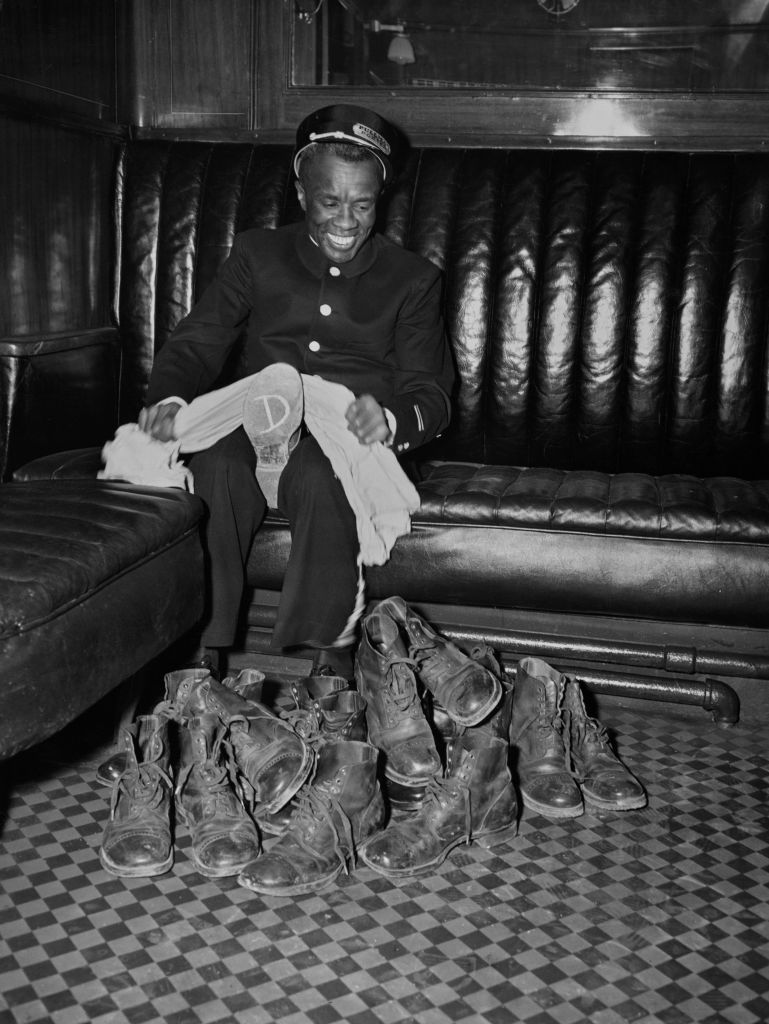
Their responsibilities extended far beyond assisting passengers. Porters carried luggage, shined shoes, prepared sleeping berths, cleaned train compartments, and served food and drinks. Some were even expected to sing and dance to entertain customers.
Tips were essential to supplementing their wages, placing additional pressure on porters to satisfy passengers at every turn.
The disrespect was just as relentless as the workload. Porters were expected to remain attentive and cheerful while navigating constant scrutiny and racial discrimination. White passengers routinely addressed them as “boy,” a degrading term rooted in slavery, or called them “George” after the company’s founder rather than using their actual names.
They were expected to serve with a smile while maintaining boundaries that would prevent their behavior from being misinterpreted. Their comfort and dignity often came second to the demands of their white clientele.
How Pullman Porters Helped Transform Black America.
Despite the discrimination they faced, Pullman porters occupied a unique position in American society. Their jobs took them across the country, exposed them to different communities, and brought them into contact with politicians, business leaders, and other influential figures.
That mobility gave them access to information, ideas, and opportunities that many Black Americans were denied. Porters helped circulate news, connect communities, and share information during a period when racial segregation restricted Black Americans’ access to many public spaces and institutions.
Their earnings, professional networks, and exposure to the wider world also helped contribute to the growth of the Black middle class. Their work connected them to the broader movement of African Americans seeking better economic opportunities and greater freedom during the Great Migration.
But perhaps their most powerful contribution came through their fight for labor rights.