
“Hey boo, I need to cancel.”
For many Black women, few texts land with more dread, especially when one arrives minutes before a confirmed appointment, with no alternative date, no deposit refund, and a trip or special event right around the corner.
In Black communities, haircare often feels like a sacred ritual: the products, the hours in the chair, the stylist trusted to bring a vision to life. But unless you’ve built a reliable roster of stylists for every style, or you belong to the elite few who can do their own hair no matter what, finding the right stylist can be the most exhausting part of the process.
Our white counterparts can generally walk into a Hair Cuttery or Drybar and get what they came for. Black women, by contrast, have always had to go the extra mile. The pandemic only raised the stakes. It pushed many stylists out of traditional salons and into independent setups, from home studios to rented salon suites. Plenty of stylists and clients, myself included, have thrived under that model, but navigating it can be daunting. There’s no salon floor to scan and no team of stylists to choose from, only Instagram pages, reviews, websites, and the occasional word-of-mouth recommendation.
Now, many Black women are frustrated by what they see as a pattern of inconsistency, climbing service charges, and booking policies longer than a CVS receipt. They’re taking to social media to share an unexpected alternative: the Ulta Beauty’s salon.
View on Threads
View on Threads
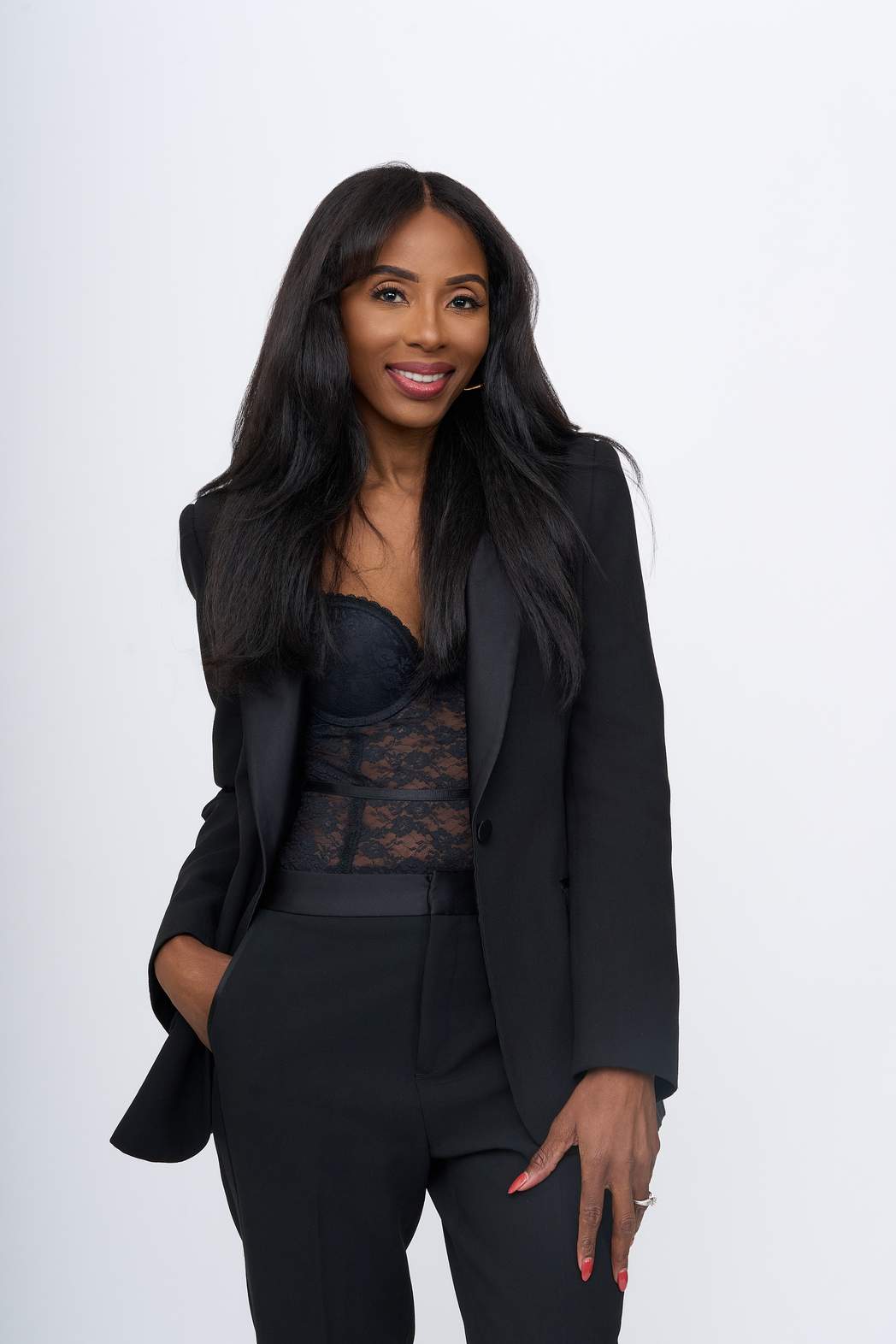
The growing number of testimonials has sparked waves of online discourse, particularly among users who are shocked that Ulta Beauty could offer salon experiences many are accustomed to receiving at Black salons. The diverse range of services some users are seeing at some Ulta Salons around the country is thanks to award-winning hairstylist Pekela Riley, who served as a diversity strategist on Ulta Beauty’s Pro Team in 2018. In a conversation with theGrio, Riley explained how her work centering textured hair led her to work with the beauty retailer to build an enterprise-wide texture curriculum to be implemented across Ulta Beauty’s salon and retail services.
“If Ulta Beauty was going to be a beauty destination, it had to be a beauty destination for all. So that was my core mission to make that mantra true. And we could not rightfully say that without the work around centering women with textured hair,” Riley told theGrio, reflecting on how 65% of people in the US have textured hair, and yet many mainstream salons and businesses do not have the skill or knowledge to service this clientele. “When I began my work with Ulta, it was pretty much ground zero. You didn’t see yourself centered on the walls. We were not a part of the service menu.”
Since then, Riley, who also founded True+Pure Texture, has created a curriculum that provides representation and cultural context, educating the brand’s representatives and accurately describing services like silk presses. From the curriculum to teaching modules, Riley’s work remains a required part of Ulta’s training process.
“I hated to see women coming into doors and stores and feeling othered,” she noted.
While she says her work enables Black consumers to enter the retailer and have conversations about their hair without being “alienated, marginalized, or profiled,” she notes there is still work to be done, especially as more and more Black women seek services at Ulta’s salon. While there are a number of skilled stylists at Ulta salons across the country, she notes that the skill sets, capacities, and even availability to do textured hair will vary by location and by the number of stylists at a Ulta who are skilled in textured hair.
“One misconception… is that you think you’re going to go to any Ulta Beauty and get anything that you get within a traditional texture-based salon, a Black salon, and that’s going to be hit or miss,” she notes. “If you’re in Idaho, you may not be able to go and get a sew-in.”
The allure of getting services done at Ulta Beauty can vary by convenience, availability, pricing, products, or even a desire to return to the old-school salon settings in which Black women have found comfort and community for generations. Now, this doesn’t mean every Ulta is suddenly going to feel like “Beauty Shop,” but for some stylists and consumers alike, there is a comfort in what Riley describes as a structured salon setting.
And from a consumer perspective, that setting creates a sense of accountability should there be a negative experience or change.
“What I believe that Ulta is sort of representative of is the recall and the reset of salon culture, where we uphold each other to a standard of accountability,” Riley explained. “When you are in a salon setting such as mine or an Ulta Beauty that has a structure, there’s a great accountability, and so you’re seeing sometimes better behaviors that you don’t see in independent settings because no one is regulating those independent settings.”
However, the True + Pure Texture founder explains that this nuance does not detract from the pool of independent stylists.
“I do not ever think that one will cancel out the other,” she said, noting the cycle of skilled salon stylists venturing out to create their own brands and salons.
“Does [Ulta’s Salon Service] bring great accessibility? Absolutely. More options? Yes. More opportunities for stylists and options for consumers? Absolutely,” Riley continued. “But the dynamics of the human labor, the time, the energy to do these services that Black women enjoy… that story is still developing.”
Ultimately, the constant online discourse about clients’ experiences with hairstylists highlights the intimacy of the client-stylist relationship. And like any interpersonal dynamic, it requires trust, grace, and time to cultivate.
For us as clients, that means honoring the hands doing the work, showing up on time, paying the deposit, and remembering that the person behind the chair is just that: a person who as Riley notes will get tired, need days off, get sick, etc. And for stylists, it means meeting clients with the same care they ask for: clear communication, consistency, and grace when life gets in the way.
“What we are talking about is discipline and structure and respect,” she noted. Whether that relationship lives in an Ulta salon, a Black-owned shop, or a private suite, Riley says the foundation is the same: “Those values have to be aligned.”